
Service
Garage Door Maintenance Across Olympia
Garage door maintenance for Olympia homes built 1975-2004: spring tension, track alignment, and weather seals suited to our cold, damp winters.
- Licensed & Insured
- Same-Area Service Calls
- Upfront Pricing
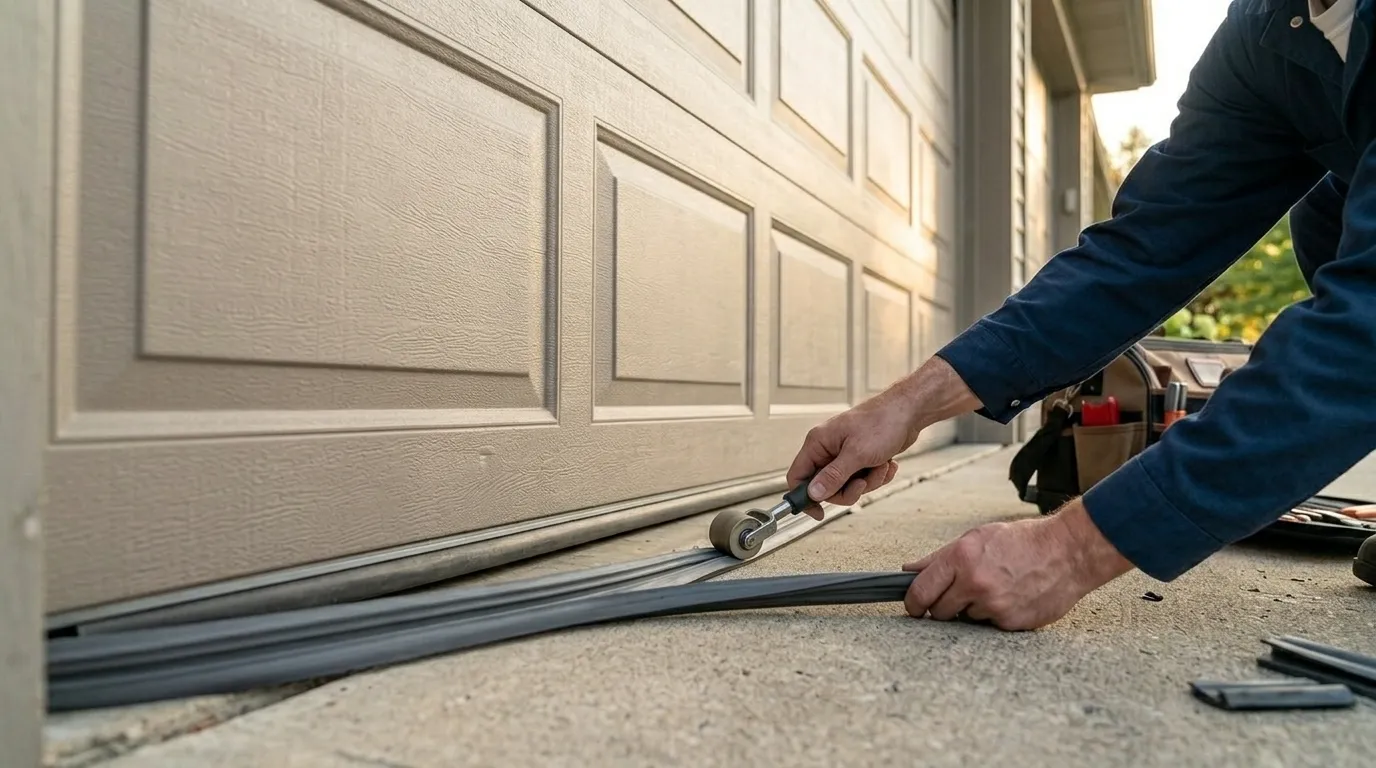
How It Shows Up
Most calls we get for maintenance in the Olympia service area start with a small complaint that's been ignored for months: a door that groans on the way up, a remote that needs three presses, a bottom panel that sticks a little in the morning. Homeowners across the 17 areas we cover - from houses near Downtown out toward the outer edges of the service territory - describe the same pattern.
It's rarely one big failure. It's a spring that's lost a little tension, rollers that have gone dry, a track bracket that's worked loose a quarter-inch at a time.
With 17,750 owner-occupied houses in this area, and most of that stock going up between 1975 and 2004 (median build year around 1990), a huge share of these doors and openers are original or close to it. That's 20 to 45 years of cycles on the same springs and hardware, which is exactly the range where wear stops being invisible. If your door was installed when the house was built, it's had roughly 8,000 to 15,000 open-close cycles by now, and nothing about that is unusual for the neighborhood.
The warning signs are almost always mechanical before they're electrical: noise, drift to one side, a door that reverses without touching anything. Catching that early is what maintenance is for.
Why This Fails Locally
Two things push maintenance from optional to necessary here: the age of the housing stock and the climate band. F1 and F2 put most of the service area's homes in the 1975-2004 window, built to the codes and hardware standards of that era - lighter-gauge tracks, older spring wire, openers without today's force-sensing safety limits. That's not a knock on the houses; it just means the parts have a shelf life, and a lot of them are approaching or past it at the same time, across the same 17 named areas.
On top of that, Olympia sits in a cold, moderate climate band. That means repeated cycles of damp cold through the winter months, which is hard on anything with grease, a spring coil, or exposed steel hardware. Lubricant that would hold up fine in a dry climate gets washed thin faster here, and steel that isn't kept dressed with the right grease starts to show surface rust on cables and spring coils sooner than you'd expect for the age of the door.
Put those two together - an aging, uniform housing stock and a climate that accelerates wear on exactly the parts most likely to be original - and you get a service area where skipping maintenance for a few years doesn't just risk noise. It risks a spring letting go under load or a cable fraying where you can't see it, on a door that's been quietly degrading since the house was built.
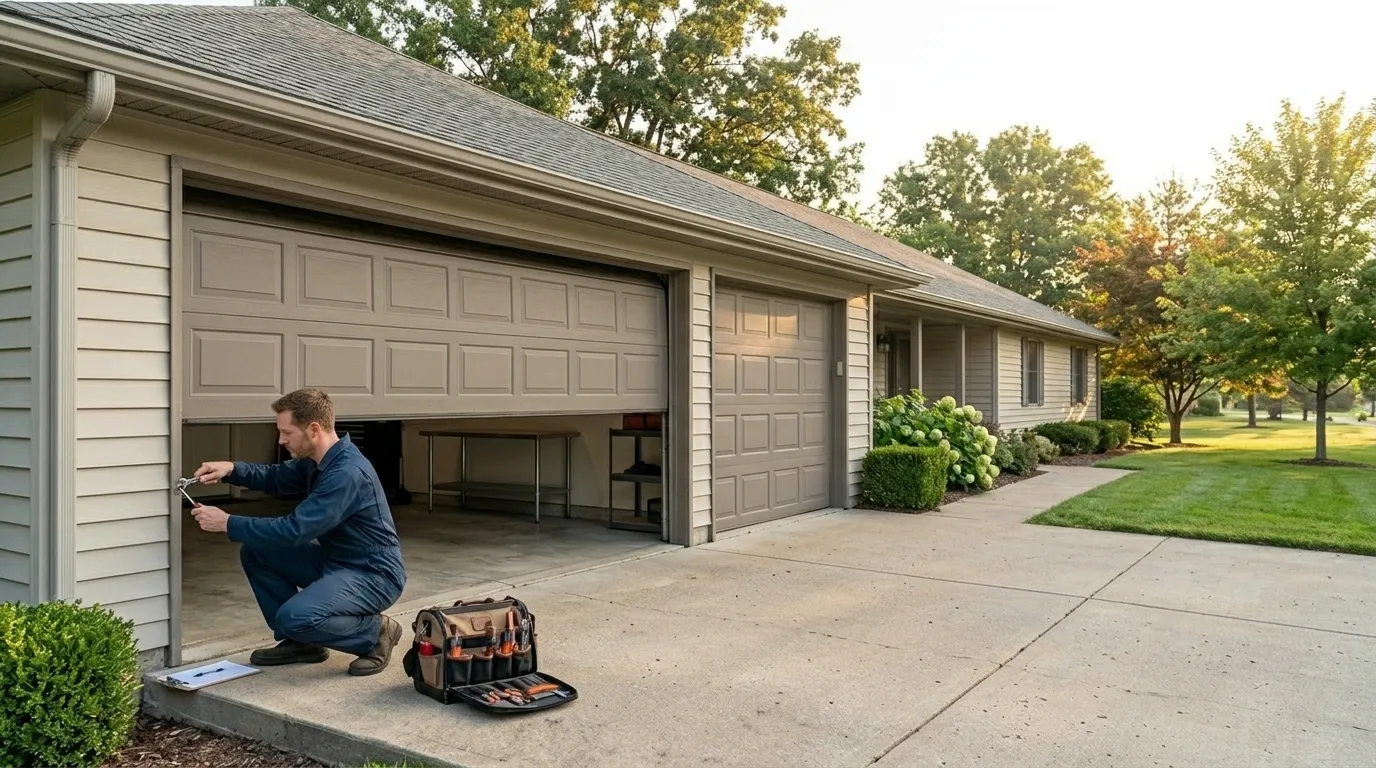
How Long It Takes
A standard maintenance visit - spring tension check, track and roller inspection, hardware tightening, lubrication, opener force and travel check, weather seal check - runs about the same length of time whether the house is near Downtown or out toward the far edge of the service area, because the work is tied to the door, not the address. We don't have a published minute-by-minute time figure to quote you here, so we won't invent one.
What we can tell you is what changes the visit length: how many previous services the door has had, whether the springs are original 1980s-90s stock or already replaced, and whether the opener has been swapped for a newer unit. A door that's never been serviced since the house was built usually takes longer on the first visit than every visit after, simply because there's more built-up wear to address and adjust for.
We also don't treat every visit as identical. A two-car door with two torsion springs takes longer to check and balance than a single door with one spring, and that's true everywhere in the service area, not specific to any one town on this list.
Can You Do This Yourself
Some of it, yes. Wiping down and lubricating rollers and hinges, checking that the weather seal at the bottom isn't cracked, listening for new noises, and keeping the track clear of debris are all reasonable homeowner jobs, and doing them between professional visits helps.
What we don't recommend doing yourself: touching the torsion spring itself. A door spring is wound under enough tension to cause serious injury if it lets go while you're working near it, and on a stock built in the 1980s-90s window, you often can't tell how much life is left in the coil just by looking at it. Same goes for adjusting opener force settings past the basic manual controls - get that wrong and you either strain the motor or create a door that won't reverse properly on an obstruction.
Honest limitation: if a spring has already started to show rust pitting or the coils look uneven, that's not a maintenance job anymore - that's a replacement, and no amount of lubrication buys you real time back. Maintenance extends the life of parts that are still sound. It doesn't fix parts that have already started to fail.
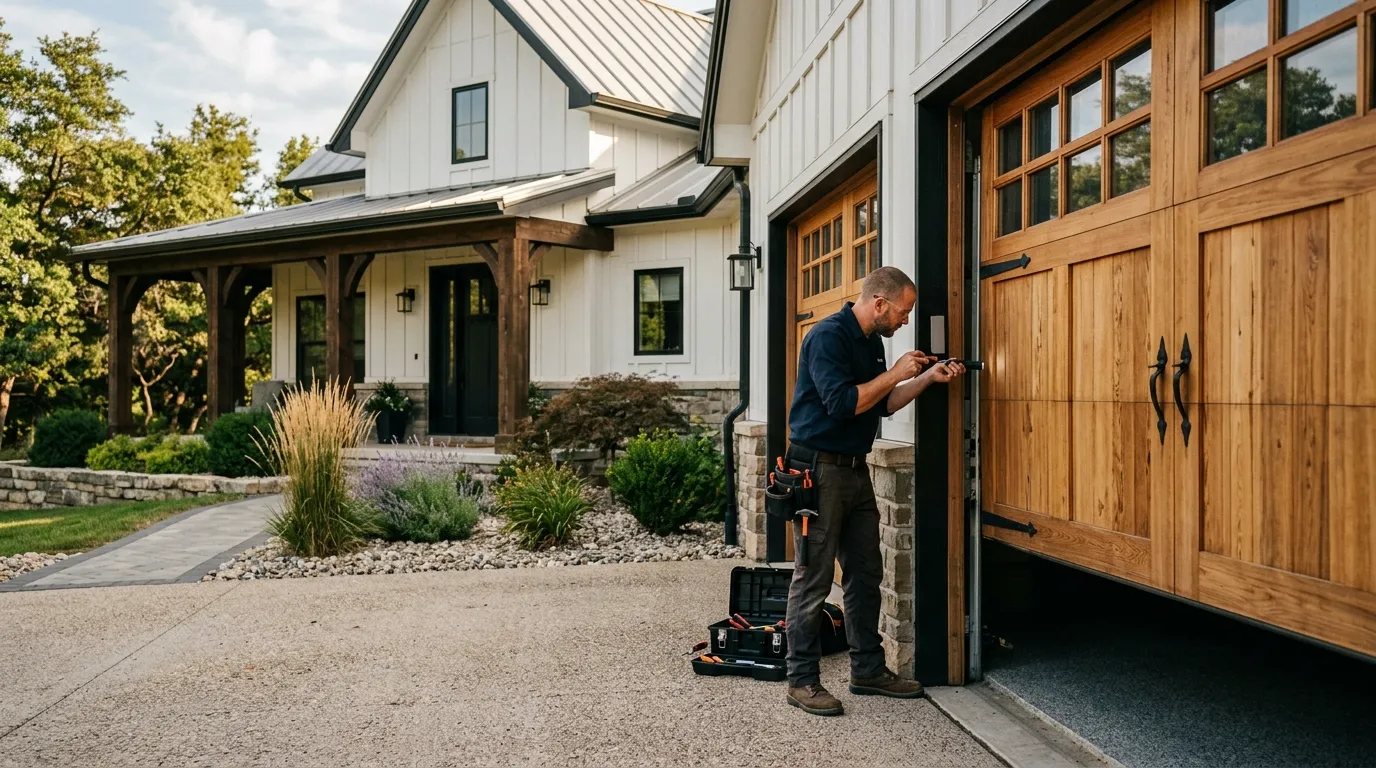
Jobs Like Yours
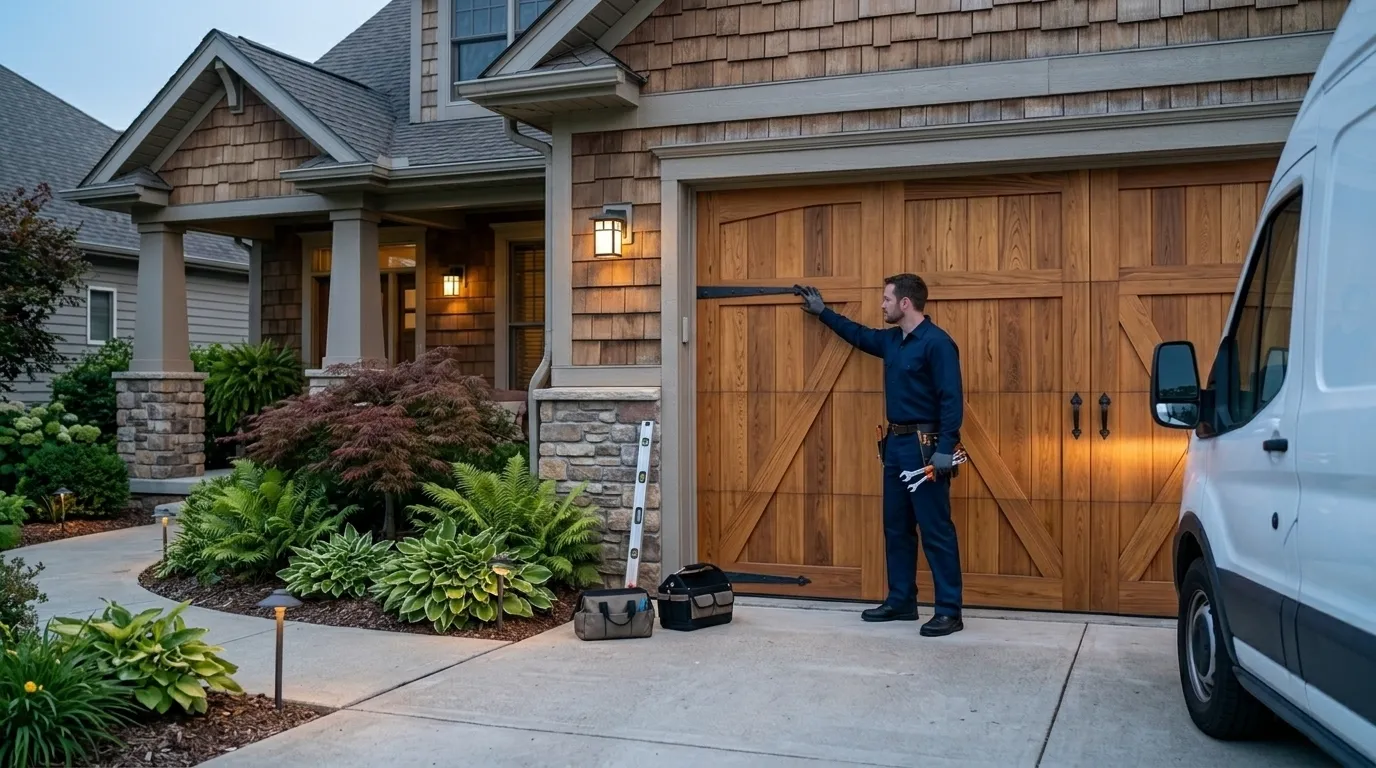
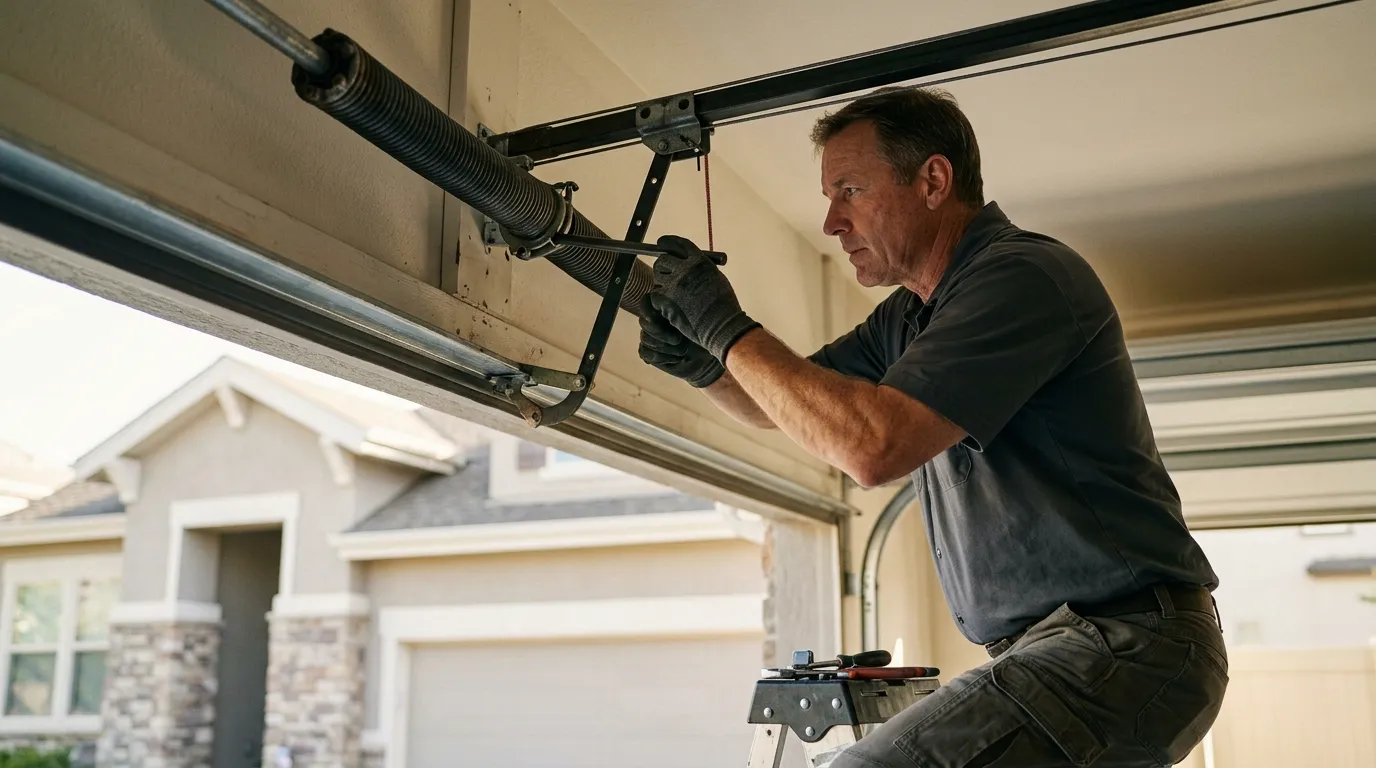
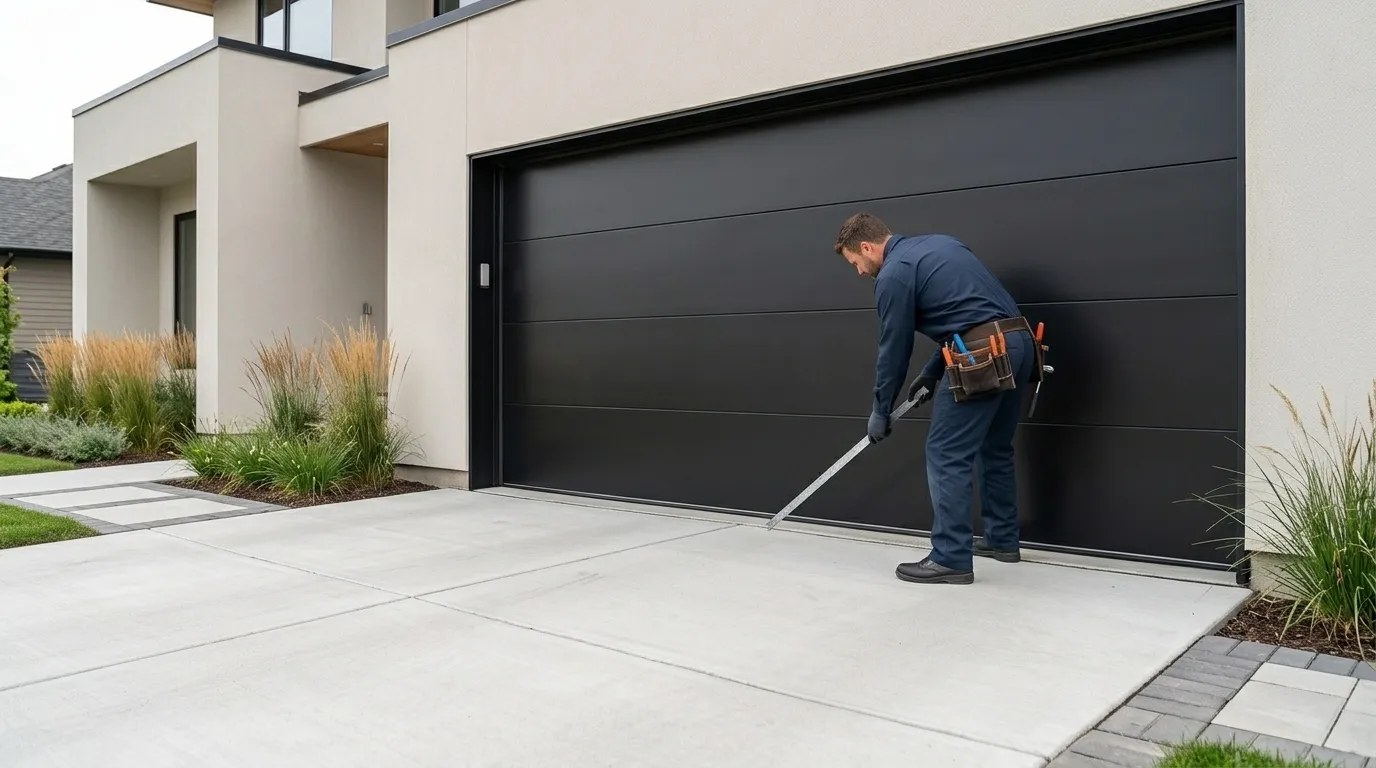
Recent work from this service line.
Talk to a Technician Before You Book
Describe what the door is doing and get a straight answer on what it likely needs.
Why Olympia Calls Us
What Happens When You Call
-
1
Call or Request a Quote
Tell us what the door is doing and roughly how old the house is - that alone points us toward the likely part before a truck leaves.
-
2
On-Site Diagnosis
A tech checks the spring, cables, tracks, and opener in person and tells you plainly what is actually wrong.
-
3
Straight Price, No Surprises
You get a number before any work starts. It covers parts and labor, nothing added after the fact.
-
4
Fixed the Same Visit
Most repairs are done in one trip. If a part needs sourcing, we tell you that upfront instead of guessing.
Frequently Asked Questions
How often should I get my garage door serviced in Olympia?
We don't have a single published interval to quote across every door and every house, since it depends on the door's age and how it's been used. As a general rule, older original doors from the 1980s-90s housing stock common here benefit from more frequent checks than a door installed in the last few years.
Why does my door feel stiffer in winter?
Cold, damp conditions thicken grease and can let surface rust start on cables and spring coils, especially on original hardware. That's typical for the cold moderate climate band this area sits in, and it's one of the main reasons maintenance schedules matter more here than in a drier, milder climate.
Is my door old enough to need a full inspection instead of just lubrication?
If your house was built between 1975 and 2004 and the door hasn't been replaced, it's likely running original or early-replacement hardware that's 20+ years old. At that point a full spring and track inspection tells you more than lubrication alone.
Need Garage Door Maintenance Across Olympia?
Call now for straight answers on cost and timing.