
Service
Garage Door Roller Replacement in Olympia
Rollers wear out fast in Olympia's 1980s-era garage doors. Learn what causes roller failure, how long replacement takes, and when it's a DIY job or not.
- Licensed & Insured
- Same-Area Service Calls
- Upfront Pricing
How It Shows Up
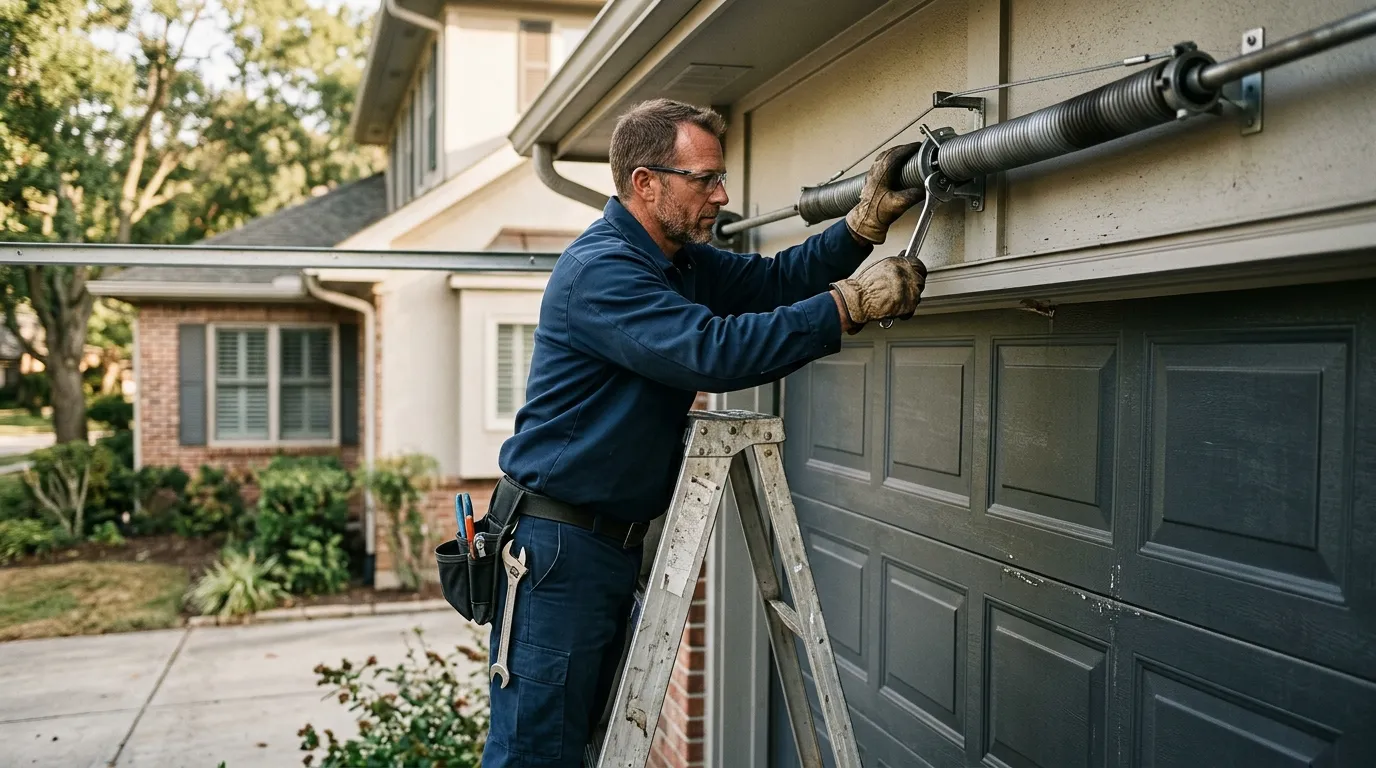
The first sign is usually sound, not a stuck door. A grinding or rattling noise as the door travels, worse near the top or bottom of the track where the roller carries the most weight. Then you notice the door hesitating at the same spot every time, or jumping slightly sideways in the track before it catches again.
Look at the rollers themselves if you can get eyes on them: nylon rollers turn shiny and start showing hairline cracks around the wheel, and steel rollers develop flat spots or rust pitting where the bearing has seized. Once a roller stops spinning freely, it drags instead of rolling, which chews up the track edge and puts extra strain on the cables and the opener motor. A door that used to run quiet and now sounds like a shopping cart with a bad wheel is telling you exactly what's wrong.
Left alone, a dragging roller eventually cracks its stem or jumps the track outright, and what started as a $20-a-roller fix turns into a bent track and a service call that costs a lot more than the part.
Why This Fails Locally
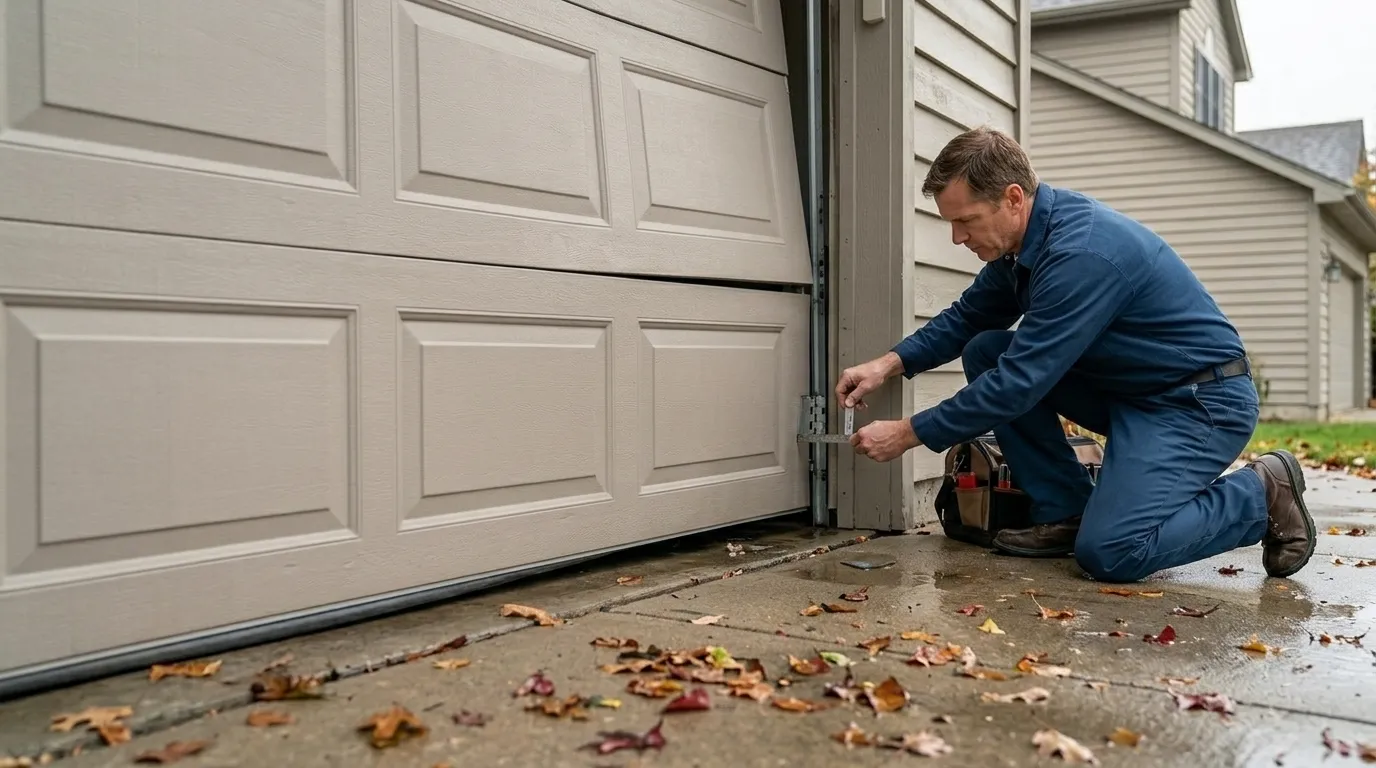
Most houses across the service area went up between 1975 and 2004, with the median build year sitting around 1990. That means the original rollers on a huge share of doors in the 17 named communities we cover are the same age as the house - call it thirty to forty years of steel or hard nylon riding in a track that was never designed to last that long without service. Olympia's climate band is classified cold-moderate, and that swing between damp, near-freezing mornings and mild afternoons is exactly what breaks down old roller bearings and pits steel rollers with rust.
Moisture works into the bearing race overnight, the metal contracts and expands with the temperature swing, and the lubricant that kept things smooth in 1995 has long since dried out or washed away. Nylon rollers fare a little better against rust but they're not immune to age - the plastic gets brittle over decades of cold snaps and eventually cracks under load. Across the 36,621 households and 17,750 owner-occupied houses in this service area, roller wear is one of the most common reasons a door starts binding or jumping the track, and it tracks almost exactly with how old the housing stock is, not with how the door is used.
How Long It Takes
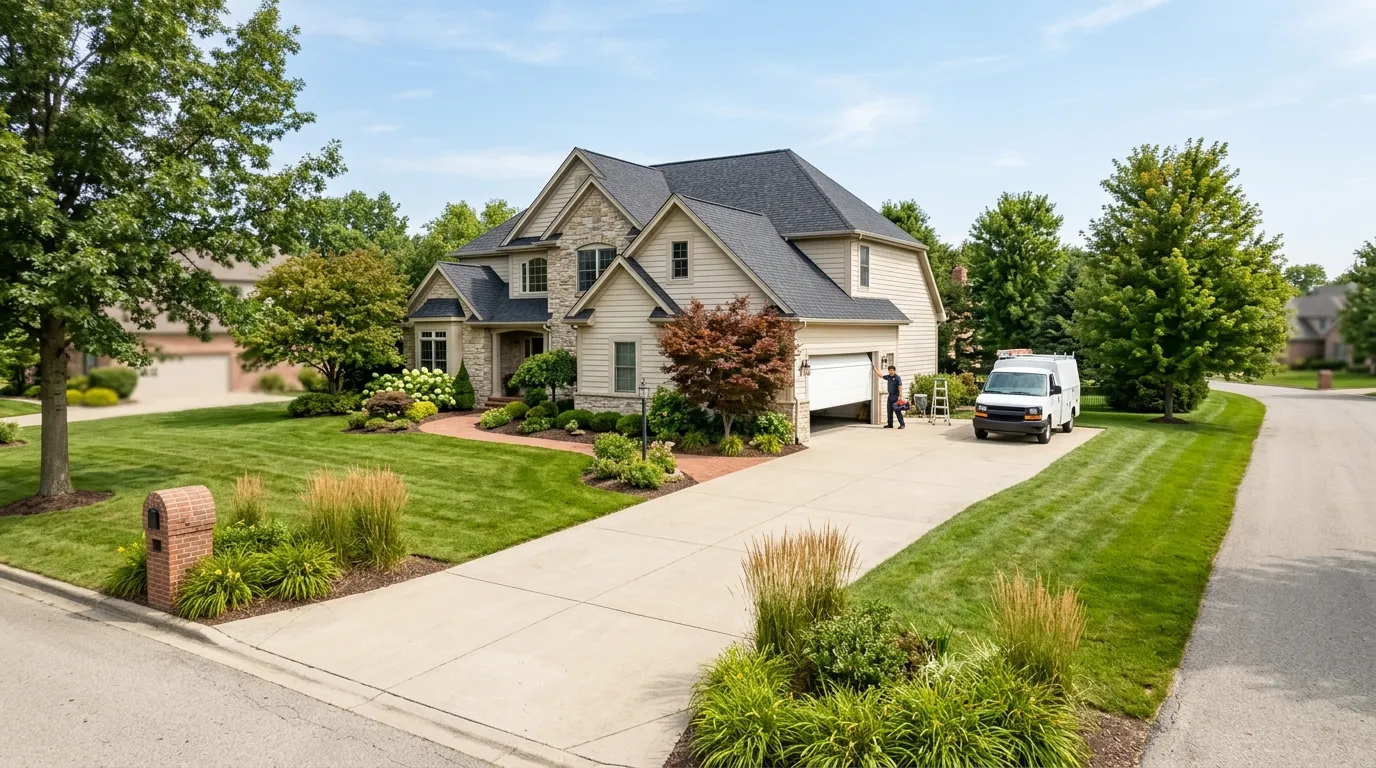
A straight roller swap, all ten rollers on a standard double door, usually runs well under two hours once the tech is on site with the right parts in the truck. Most of that time is spent removing the old rollers from the track without bending the track itself, which takes more patience than muscle. If the rollers have been dragging for a while, the track often needs a light straightening pass or a full section replaced where a cracked roller stem gouged the metal - that adds time but it's still a same-visit fix in most cases.
Where it stretches longer is when the door is a heavier steel or insulated panel and the rollers are the sealed-bearing type that bolt in differently than the open stamped kind, or when the hinges the rollers sit in are also worn and need swapping at the same time. We don't quote an exact hour count sight unseen, because a door with one bad roller and a door with ten seized ones aren't the same job, but it's rarely an all-day project once someone is actually looking at it.
Can You Do This Yourself
Swapping a bottom roller on a door that's fully down and unpowered is within reach for a handy owner - pull the roller bracket, slide the new roller in, done. The rollers at the top of the door are a different story, because they sit close to the cable drums and the torsion spring assembly, and those cables are under real tension whether the door looks still or not. That's the honest limit here: we don't recommend DIY work near the top rollers or anywhere the spring system is involved, because a cable that lets go under tension can put someone in the hospital.
With a median household income of $88,500 in this area, most owners here choose full roller-set replacement over patching one at a time, since mismatched old-and-new rollers wear unevenly and you're back to the same noise within a year or two. If you're only dealing with a bottom roller and you're comfortable with a socket wrench, it's a reasonable weekend fix. Anything above that, call it in.
Jobs Like Yours
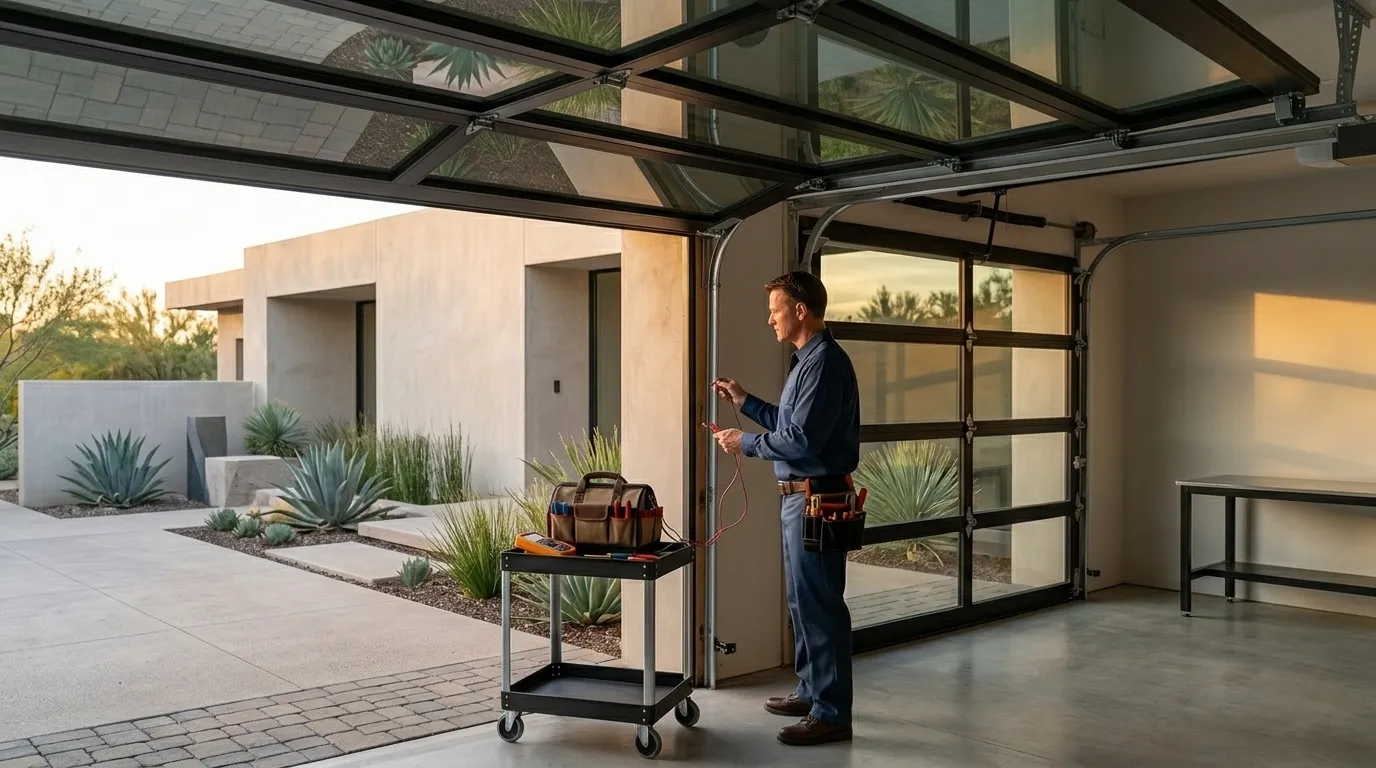
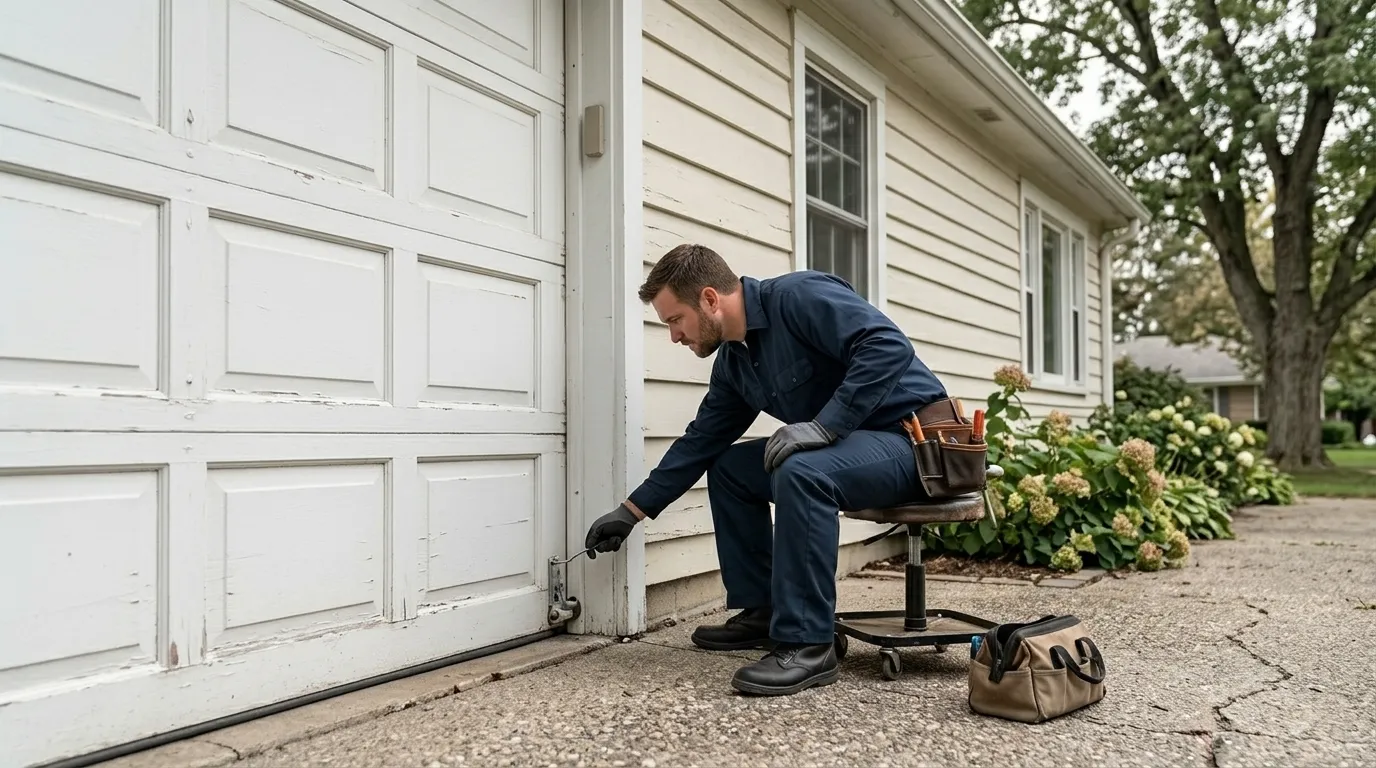
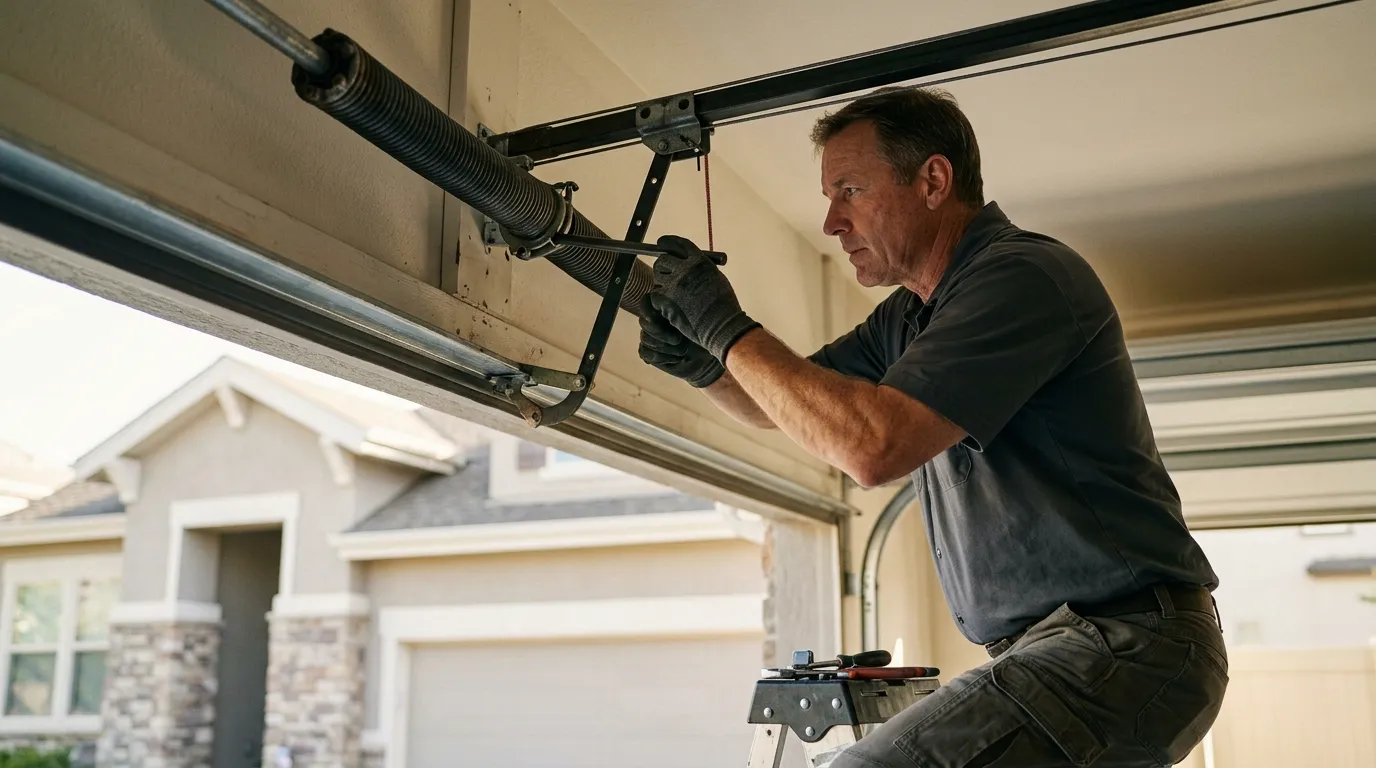
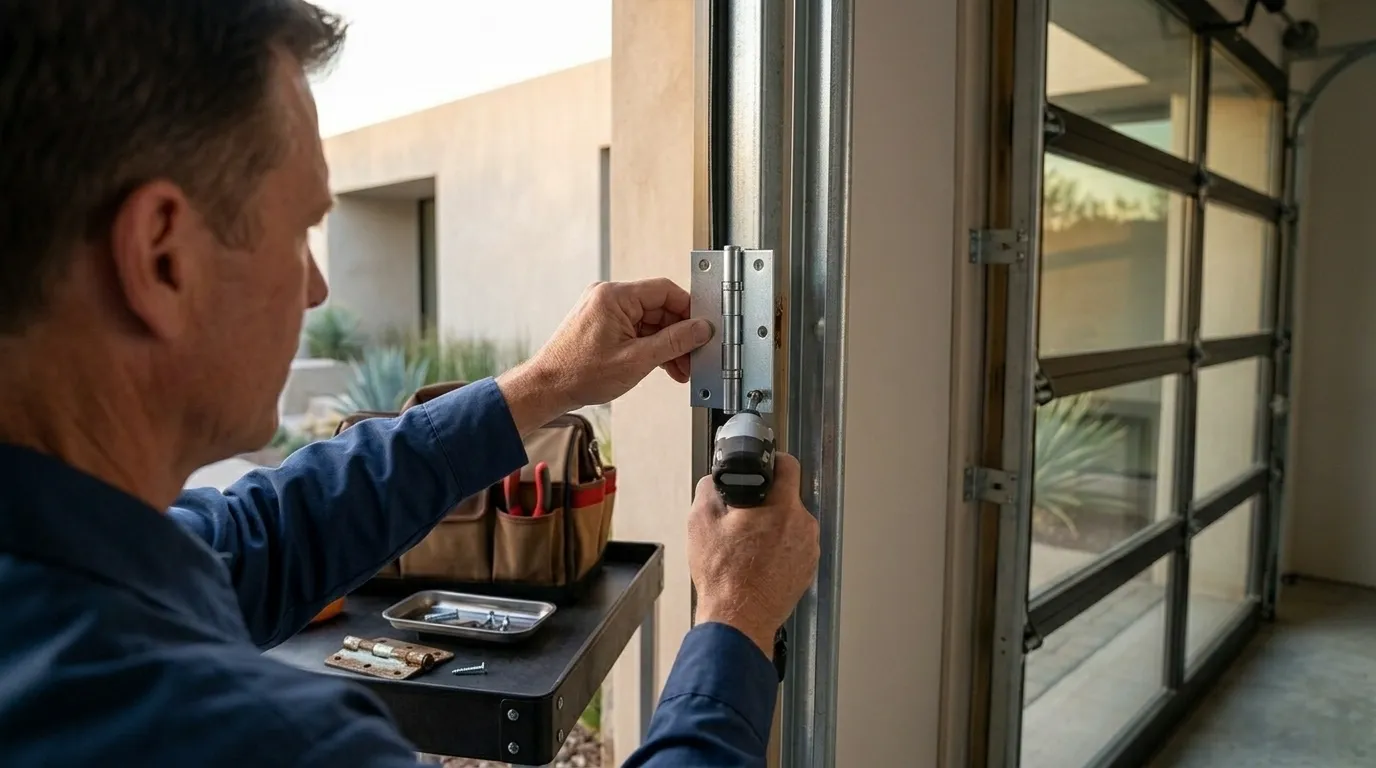
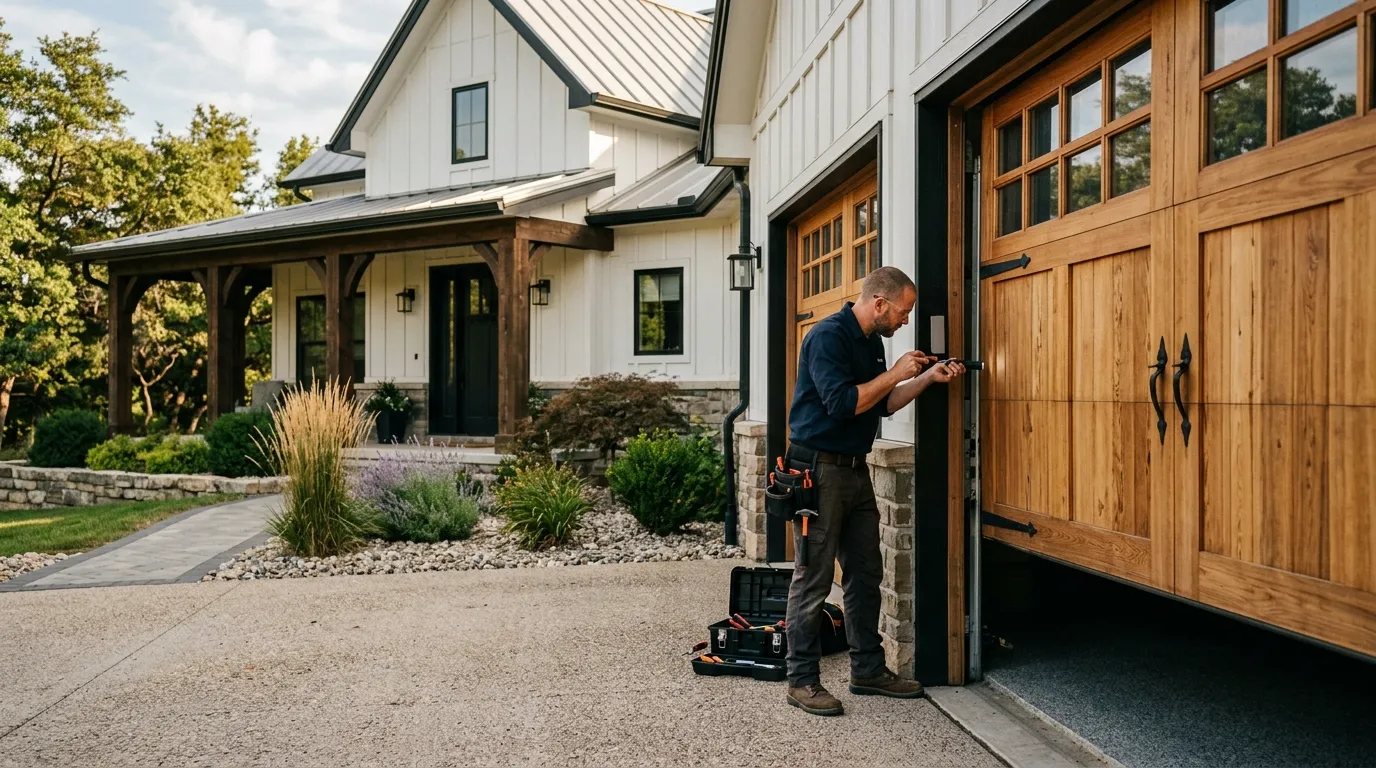
Recent work from this service line.
Talk to a Technician Before You Book
Describe what the door is doing and get a straight answer on what it likely needs.
Why Olympia Calls Us
What Happens When You Call
-
1
Call or Request a Quote
Tell us what the door is doing and roughly how old the house is - that alone points us toward the likely part before a truck leaves.
-
2
On-Site Diagnosis
A tech checks the spring, cables, tracks, and opener in person and tells you plainly what is actually wrong.
-
3
Straight Price, No Surprises
You get a number before any work starts. It covers parts and labor, nothing added after the fact.
-
4
Fixed the Same Visit
Most repairs are done in one trip. If a part needs sourcing, we tell you that upfront instead of guessing.
Frequently Asked Questions
How many rollers does a typical garage door have?
Most residential doors run 10 to 12 rollers total, two per panel plus the top and bottom sets. On a lot of the 1980s and 90s-era doors common across this service area, you'll find a mix of stamped steel rollers on the outer track and slightly heavier ones on the bottom brackets, which is why a full set replacement is the more common job than swapping just one.
Are nylon rollers better than steel rollers?
Nylon rollers run quieter and don't rust, which matters in a cold-moderate climate where condensation is a factor. Steel rollers with sealed bearings last longer under heavy daily use but can develop rust pitting over time. For most homes here, sealed-bearing nylon strikes the best balance between quiet operation and lifespan.
Can a bad roller damage my opener?
Yes. A dragging or seized roller makes the opener work harder to pull the door through the track, which strains the motor and gears over time. If your opener has started sounding labored or slow right around the same time the door started grinding, the roller is a likely contributor, not a coincidence.
Do all the rollers need replacing at once?
Not always, but it's usually the smarter call once one or two show wear, since the rest are the same age and under the same load. Replacing them individually as each one fails means repeat visits and uneven wear on the track in the meantime.
Need Garage Door Roller Replacement in Olympia?
Call now for straight answers on cost and timing.