
Olympia Garage Door Guide
What That Sound From Your Garage Door Is Actually Telling You
Olympia's housing stock runs 1975-2004 with original hardware still in service. Here's what that means for repair costs, cold-weather wear, and the noise your door is making.
- Licensed & Insured
- Same-Area Service Calls
- Upfront Pricing
What It Costs
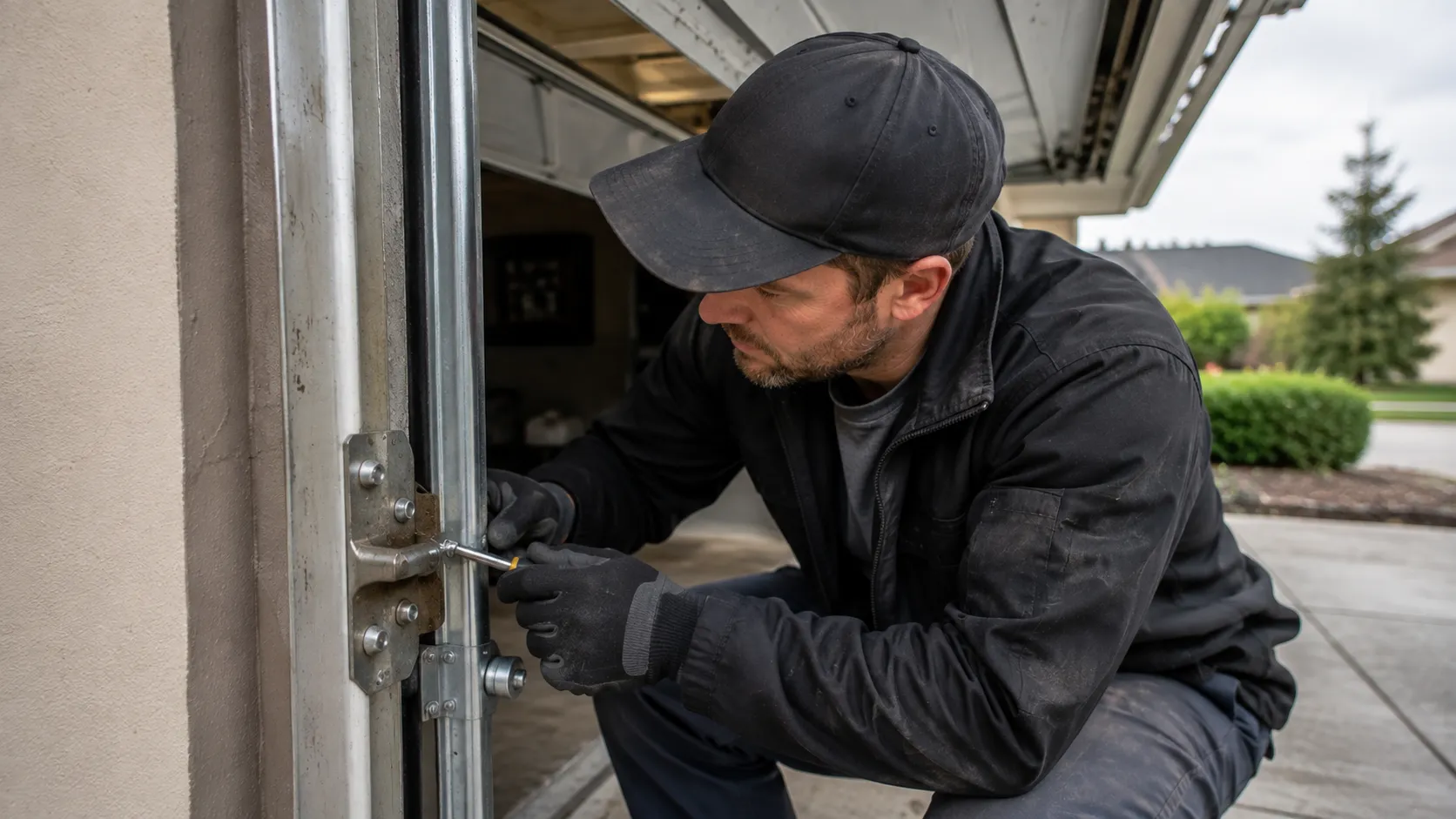
We can't give you a number over the phone, and we won't pretend to. What drives cost in this area isn't a flat rate, it's what's on the wall of your garage. Most houses across the service area went up between 1975 and 2004, with the median build year sitting around 1990, and across the 17 named areas we work that 1980s-90s stock is the norm rather than the exception.
A door installed in 1988 has a torsion spring, drum, and track sized to hardware nobody stocks in a standard van kit anymore. That means a repair on an original-era door often runs longer and costs more than the same repair on a 2015 build, not because we're padding the bill but because we're sourcing or adapting a part. Homes closer to Downtown and North East, and the newer builds mixed through Tumwater and Tanglewilde, tend to have more standardized parts on hand.
If your opener or spring is original to a house built before 2000, expect the tech to look at brand and size before anyone talks numbers. That's not evasive, it's the only honest way to quote this kind of work.
What the Weather Here Does to It
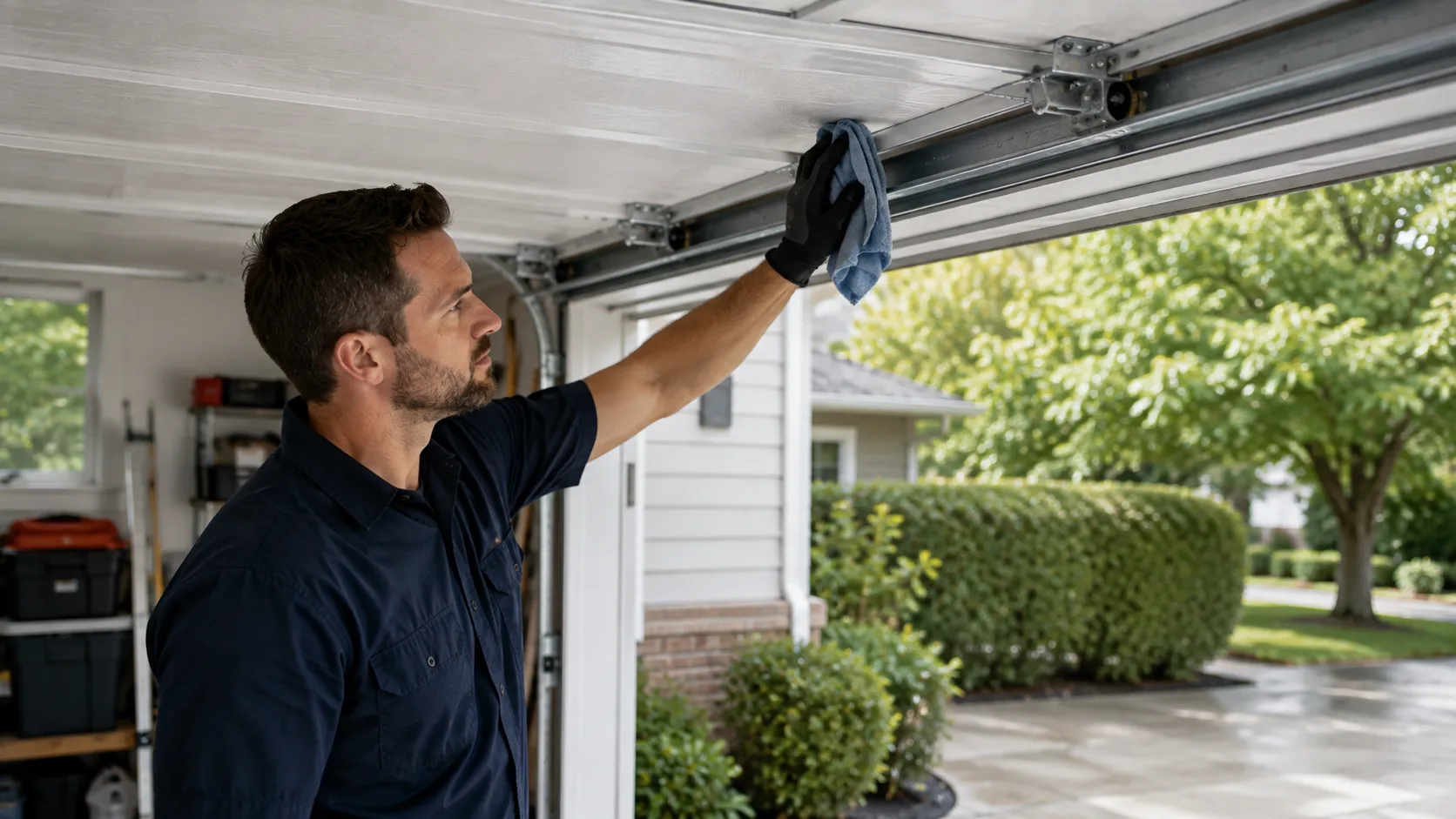
This area sits in a cold, moderate climate band, and that matters more to your garage door than most people think. Cold doesn't just stiffen a spring, it changes how metal and lubricant behave together. A torsion spring that's been fine for 15 years in a 1980s or 90s build can start binding on cold mornings because the grease has thickened and the coil isn't flexing the way it did when it was new.
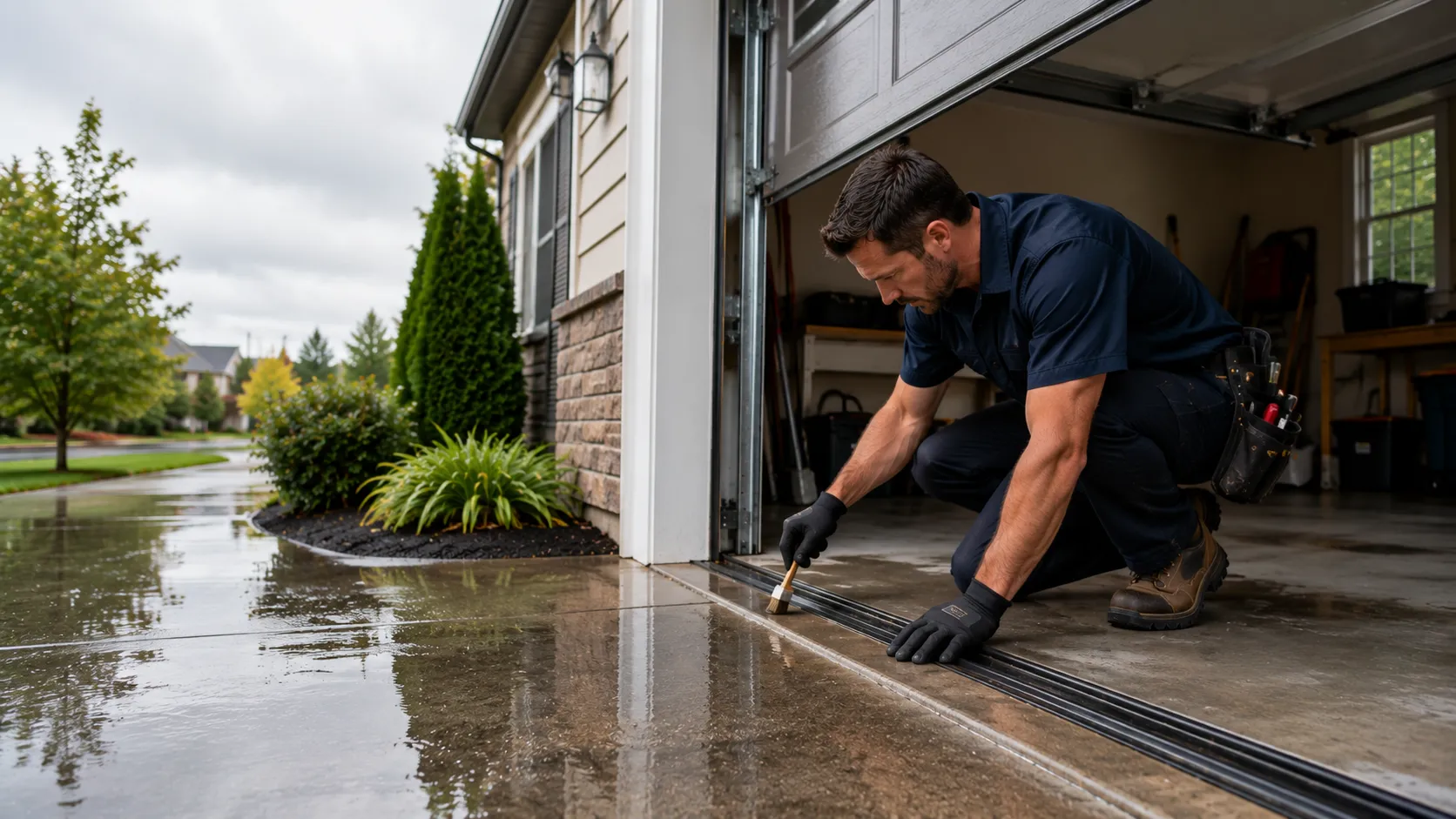
Steel track sections contract slightly in the cold too, which is why a door that ran quiet in August can start grinding or catching in January without anything actually breaking. It's also why we see more cable and roller complaints during the colder stretch of the year than any other time. None of this is dramatic weather, no named storms, nothing sudden, just a steady cold-moderate pattern that wears on hardware slower and less obviously than a hot, dry climate would.
The lack of extreme heat is actually a small mercy for the doors themselves, but it doesn't mean they get a pass; it just means the wear shows up as noise before it shows up as failure.
The Situation
There are 36,621 households across the area we serve, and 17,750 of those are owner-occupied houses, meaning most of the doors we're called out to are ones the homeowner actually maintains, not a rental unit somebody's landlord is slow to fix. Median household income here runs around $88,500, which lines up with what we see on calls: people who want the job done right rather than the cheapest patch, and who ask before they authorize a spring swap instead of an opener replacement.
Geographically we're centered on Olympia itself, with Downtown sitting right at zero miles northwest and North East about 2 miles out, then a wide ring running from Tumwater at 4 miles out to Fox Island at 19. That spread means a tech might see a 1990s split-level in Tenino in the morning and a newer build out toward DuPont in the afternoon, and the difference in hardware between those two calls is often bigger than the difference in mileage.
The Common Mistake
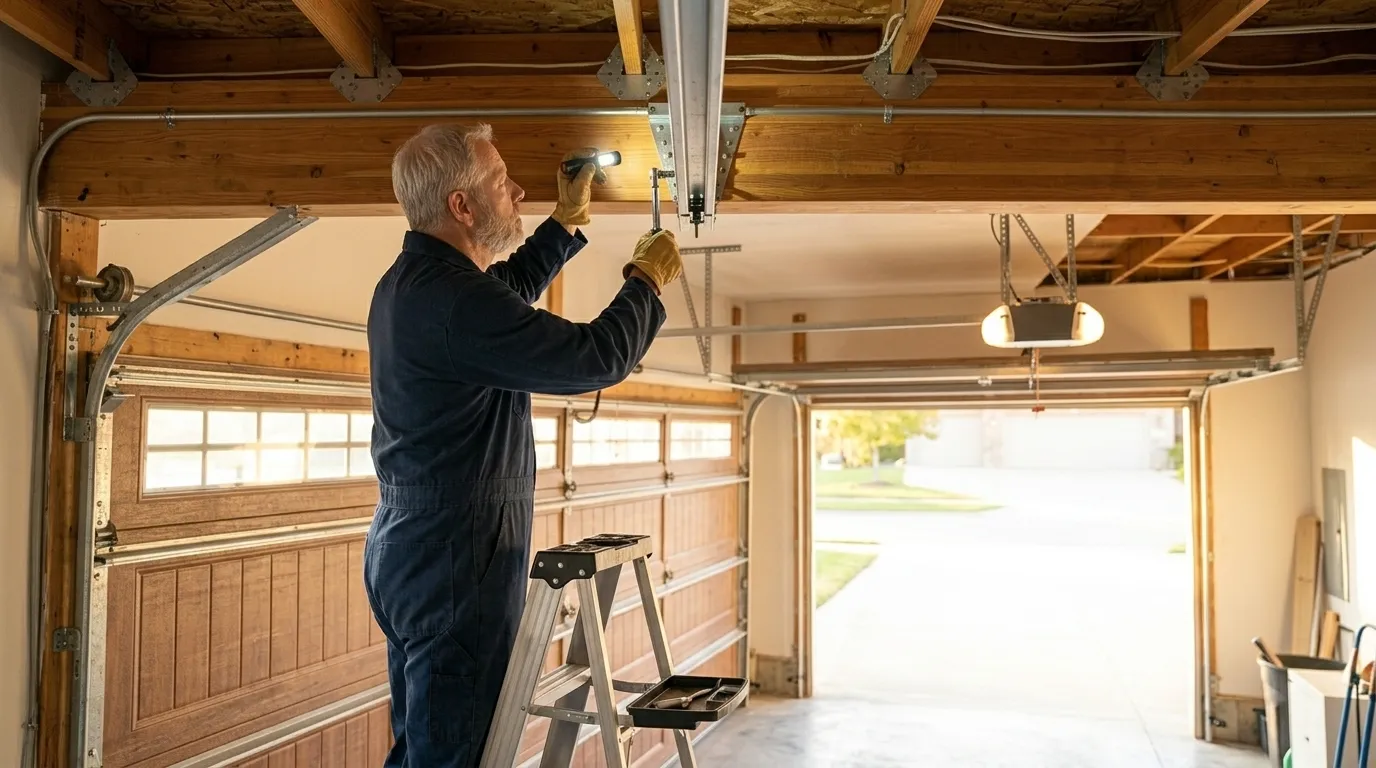
The mistake we see most, tied directly to how much of this area's housing dates to the 1980s and 90s, is homeowners replacing an opener when the actual problem is the spring or the track it's straining against. An opener motor working overtime to lift a door with a weakening torsion spring will sound like it's dying, and it kind of is, just not for the reason people assume. Swap the opener and the noise comes right back in six months, because the spring that was doing half the lifting never got touched.
On original-era doors this is especially common because the opener is often the one part that's been replaced once already, while the spring, drum, and track are still the ones installed when the house was built. A five-minute look at the spring coil and the cable tension tells you which one is actually failing, and it's worth asking for that before you agree to a new opener.
How We Can Help
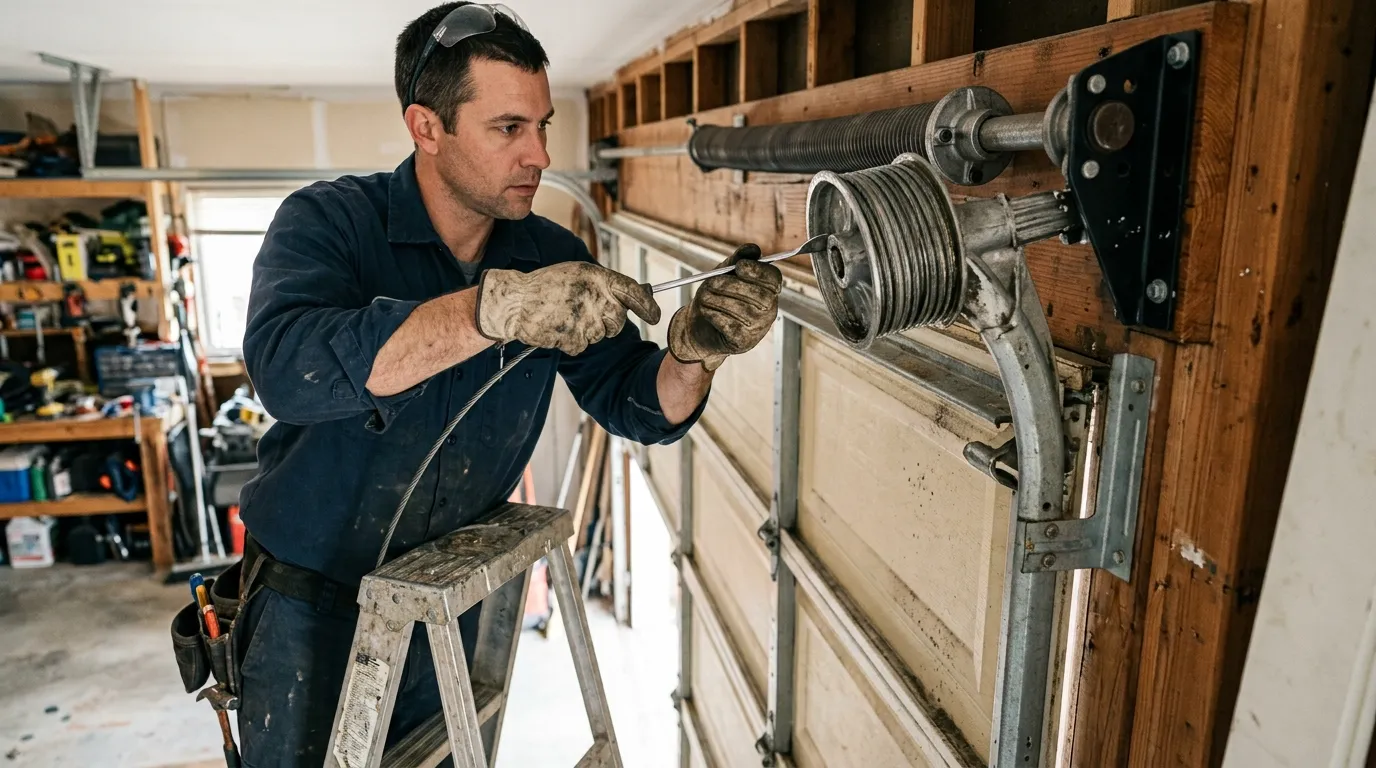
Garage Door Repair
Springs, cables, tracks, rollers, and openers fixed by a tech who explains the problem before touching anything.
Learn more →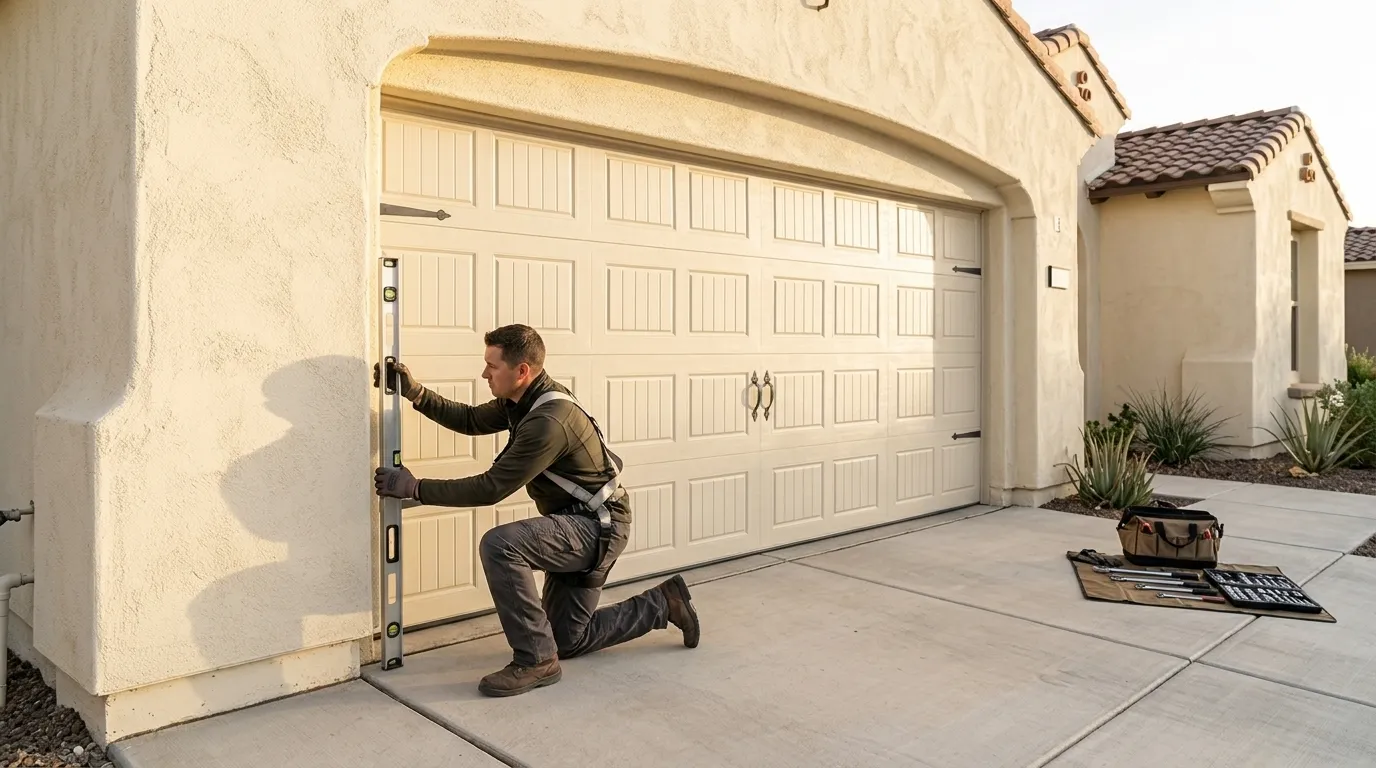
Garage Door Installation
New sectional doors sized and installed for the housing stock actually built in this area.
Learn more →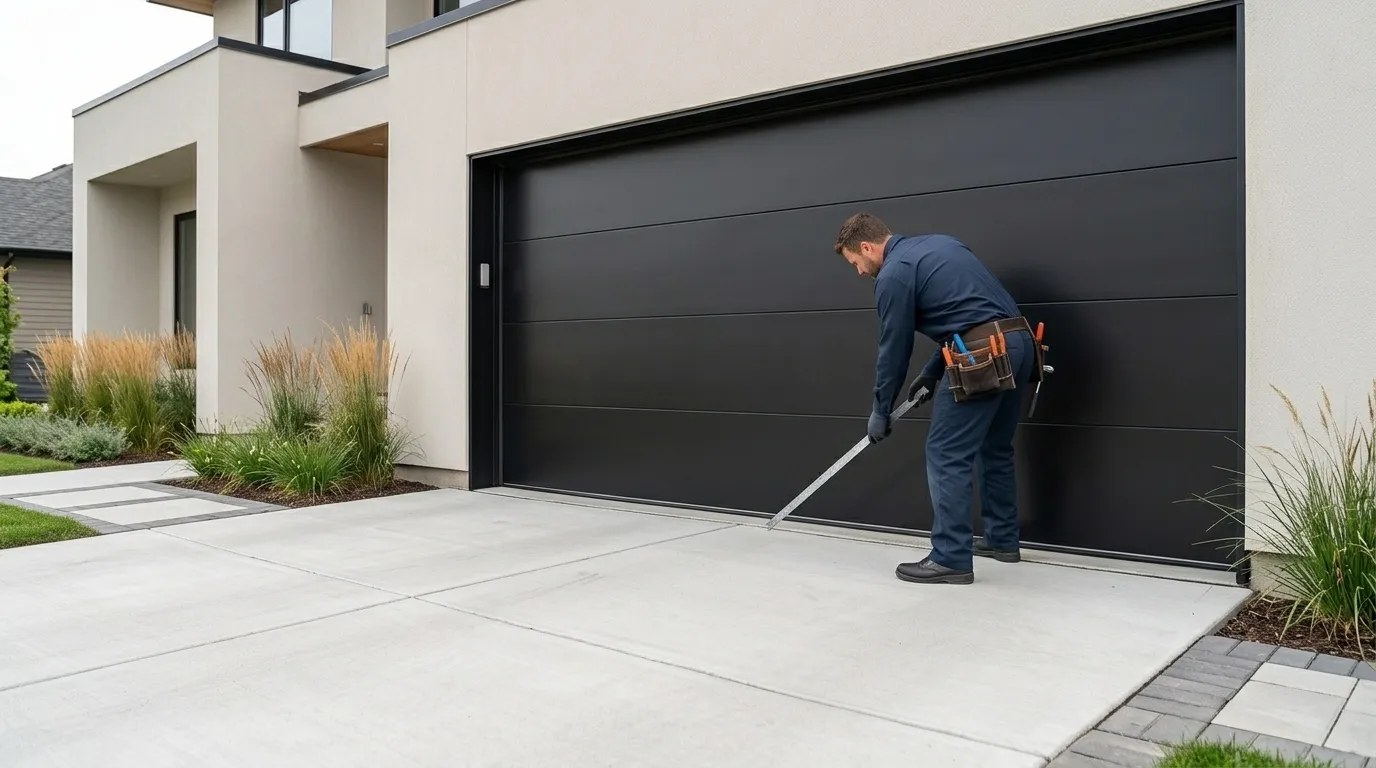
Garage Door Service
Tune-ups, lubrication, and safety checks that catch a small problem before it becomes a service call.
Learn more →Frequently Asked Questions
My garage door makes a grinding noise only in cold weather, is that serious?
Often it's grease thickened by the cold rather than a failing part, common in this climate band. But if the grinding gets louder or the door hesitates on the way up, that's the spring or roller telling you it's under more strain than it used to handle. Worth a look before it becomes a stuck door on a cold morning.
Is it worth repairing a door original to a 1980s or 90s house, or should I replace it?
Depends on what's actually worn. A torsion spring or roller set is usually worth repairing even on an older door. But if the track is bent, the panels are rusted through, or the opener has failed twice already, replacement usually costs less over time than chasing parts for hardware from that era.
Why won't you quote a price without seeing the door?
Because the age spread in this area, 1975 to 2004 housing with a lot of original hardware still in service, means two doors that look the same from the driveway can need very different parts. A quote based on guesswork usually ends up wrong for the homeowner either way.
Have a Door That Needs a Second Opinion?
Call and describe what it is doing - we will tell you what it likely is.