
Olympia Garage Door Guide
Is Your Old Olympia Garage Door Worth Fixing, or Time to Replace It
A look at what fixing an older garage door actually costs around Olympia, how the region's cold-moderate winters wear on 1980s and 90s hardware, and when replacement makes more sense.
- Licensed & Insured
- Same-Area Service Calls
- Upfront Pricing
What It Costs
We can't quote you a number without seeing the door, so we won't pretend otherwise here. What we can tell you is what drives the decision in this area.
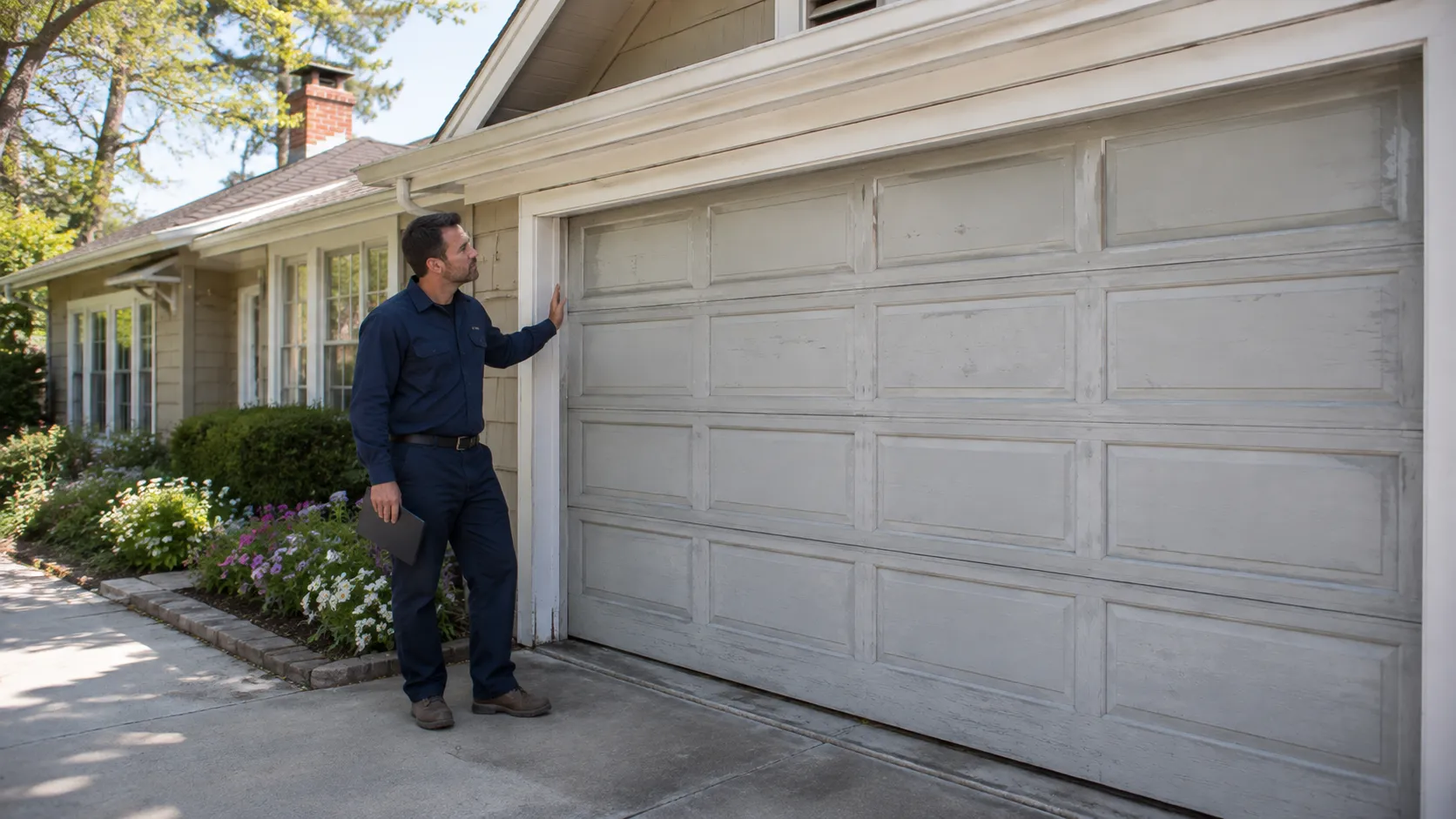
Across the 17 communities we cover - Tumwater, Tanglewilde, Yelm, Rainier, and the rest - most houses sit on lots built between 1975 and 2004, with the typical build year landing around 1990. That means a huge share of the doors out there are original or close to it: 30 to 40 years of hardware, hinges, and rollers that were never meant to run this long.
With 17,750 owner-occupied houses across the service area and a median household income of $88,500, most owners here can afford a full replacement if they want one - but plenty choose not to, because the door itself, the steel skin and panels, often still has life in it. The part that fails first is almost always the moving hardware, not the door.
Fixing a spring or a set of rollers on a door that's structurally sound costs a fraction of a new install. Replacing a door because the opener died is money you didn't need to spend.
What the Weather Here Does to It
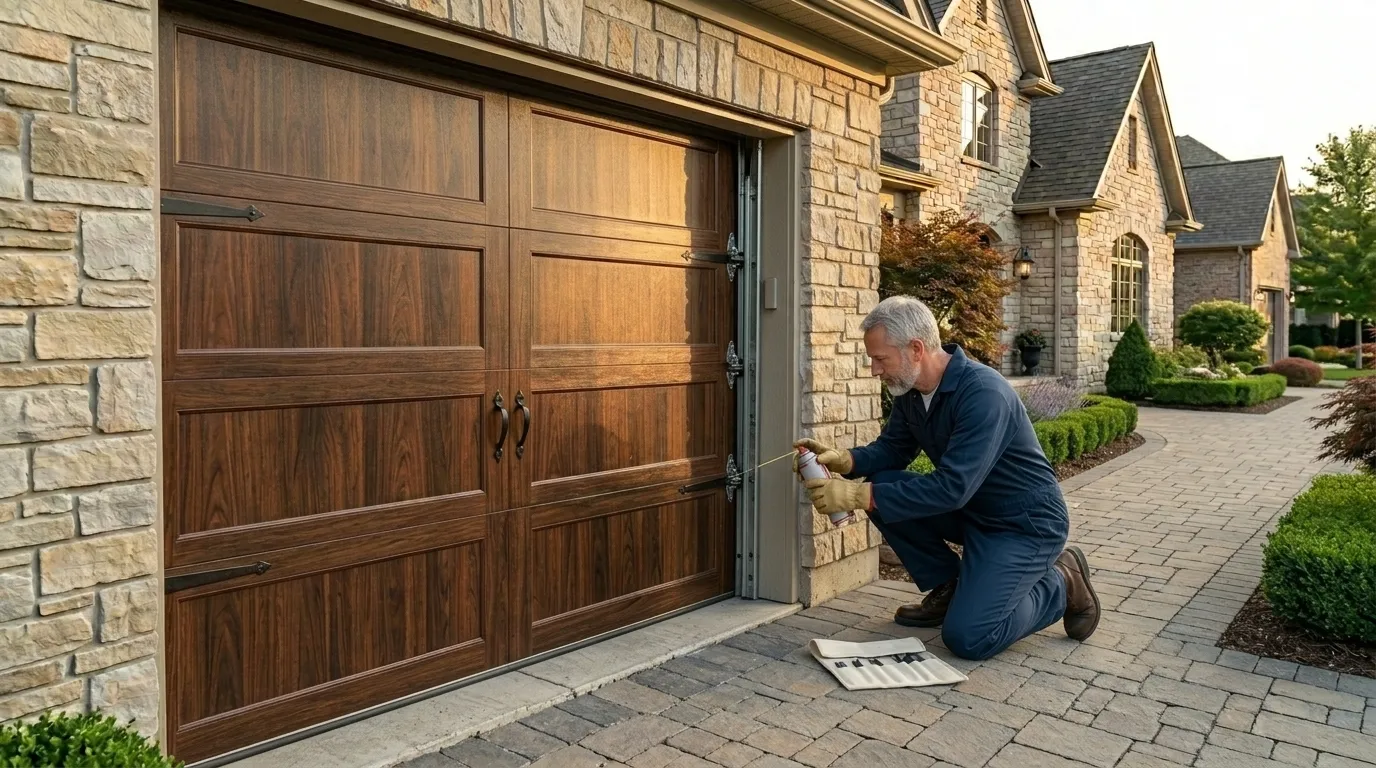
This area sits in a cold-moderate climate band. That's not the kind of cold that snaps a steel panel or splits a track outright, but it's steady freeze-thaw cycling through the winter months, plus the damp that comes with it, and that combination works on a door slowly rather than all at once.
Wood jambs swell and shrink season after season, which throws the door's alignment off just enough that rollers start binding in the track. Nylon rollers from a 1980s or 90s install get stiff in the cold and start chattering on the way up - that grinding sound owners usually notice in January, not July. Extension springs, common on doors from that era, lose tension faster when they're cycling through repeated cold snaps, so a door that opened fine in October starts feeling heavy by February.
None of this is dramatic. It's wear that adds up over three decades in this climate, and it's why a door that looks fine from the driveway can still need a spring or a full roller set before it needs anything structural.
The Situation
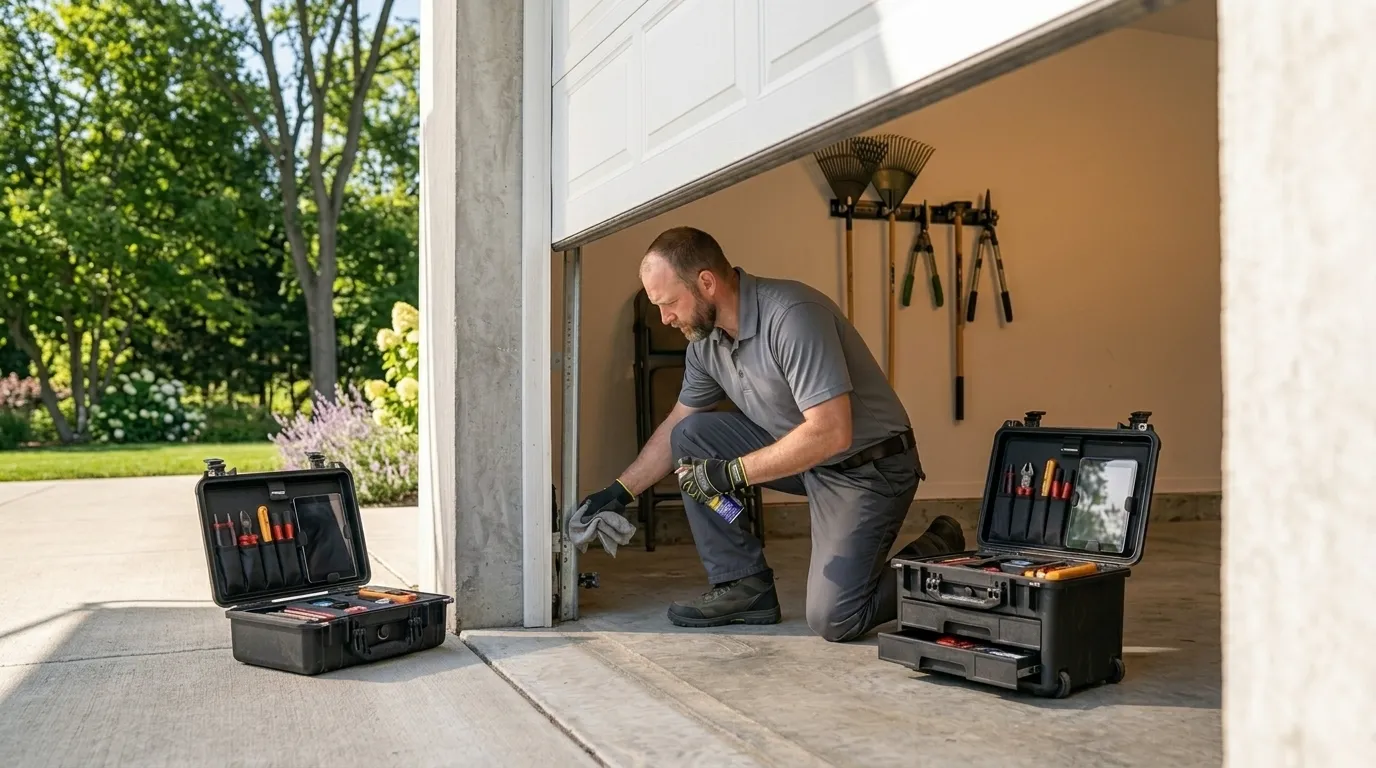
The housing stock across our service area is fairly consistent: mostly built in the 1980s and 90s boom that put up a big share of Olympia and the surrounding towns between 1975 and 2004. If your house falls in that window, there's a good chance your garage door hardware does too, unless someone already swapped it.
A lot of these doors run extension-spring systems mounted above the horizontal track, rather than the torsion-spring setups that became standard in newer construction. That distinction matters when you're deciding what's worth fixing.
A torsion spring failure on a newer door is a routine call. An extension-spring door from that same era, with rusted pulleys and a cable that's frayed at the drum, might need more than one part replaced to be safe - and at that point you're stacking labor costs on a door that's already three decades in.
We see this pattern across the 17-mile radius we work in, from the closer-in areas like Tumwater and Tanglewilde out to Yelm, Rainier, and Grand Mound. The build era is the same; the failure points are the same.
The Common Mistake
The mistake we see most is treating the opener and the door as one problem. They're not.
An opener from the 1990s that's finally quit doesn't mean the door itself is done - steel panels from that era usually still track straight and seal fine. Swapping the whole unit because the motor died is spending replacement money on a repair problem.
The opposite mistake happens too: patching an extension-spring system piece by piece - a pulley here, a cable there - on a door where the drums are rusted through and the track is bent from years of an off-balance spring pulling on it wrong. At some point you're not fixing the door, you're delaying the inevitable, and every patch job costs more than it should because the underlying alignment problem never got addressed.
We won't sell you a full door if the fix is a spring and a roller set. We also won't keep patching a system that's fighting itself. The honest answer is usually in between, and it depends on which of those two failure patterns your door is actually showing.
How We Can Help
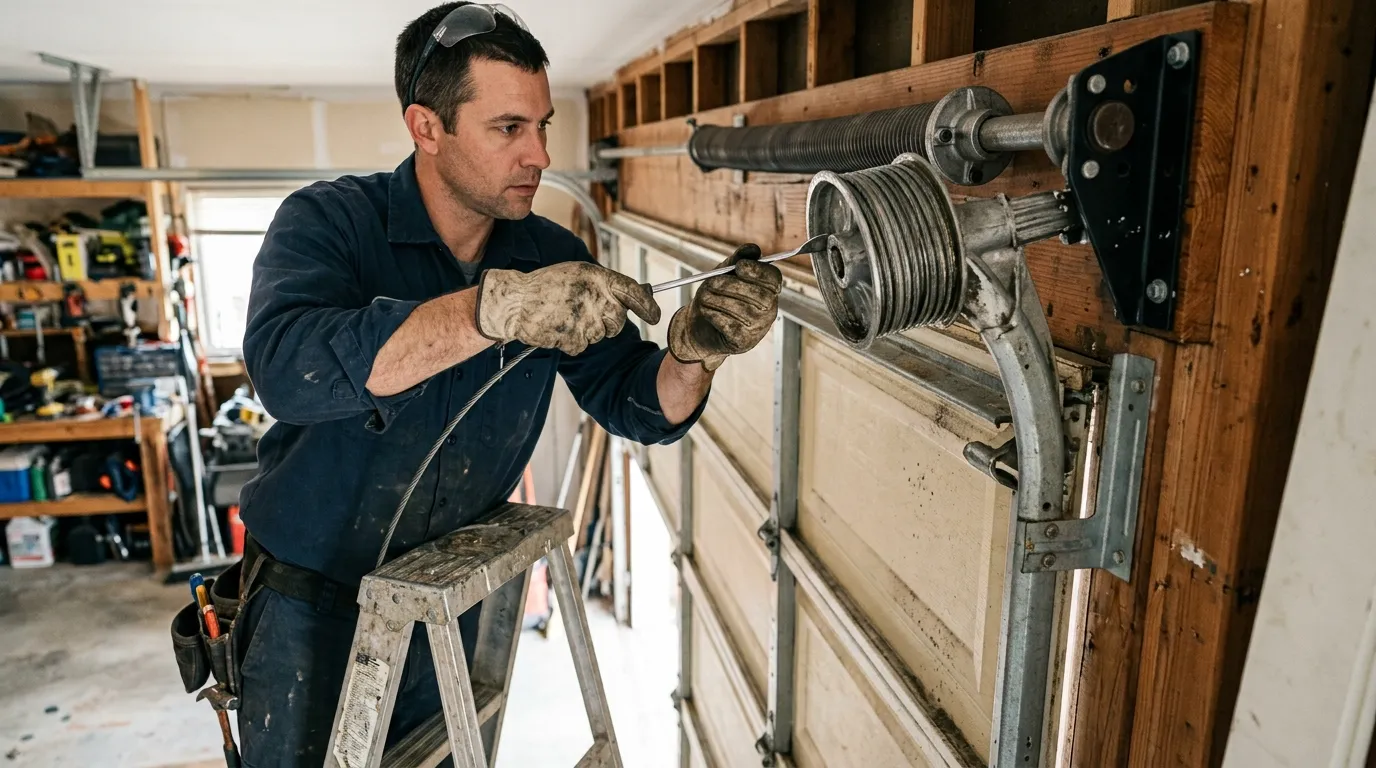
Garage Door Repair
Springs, cables, tracks, rollers, and openers fixed by a tech who explains the problem before touching anything.
Learn more →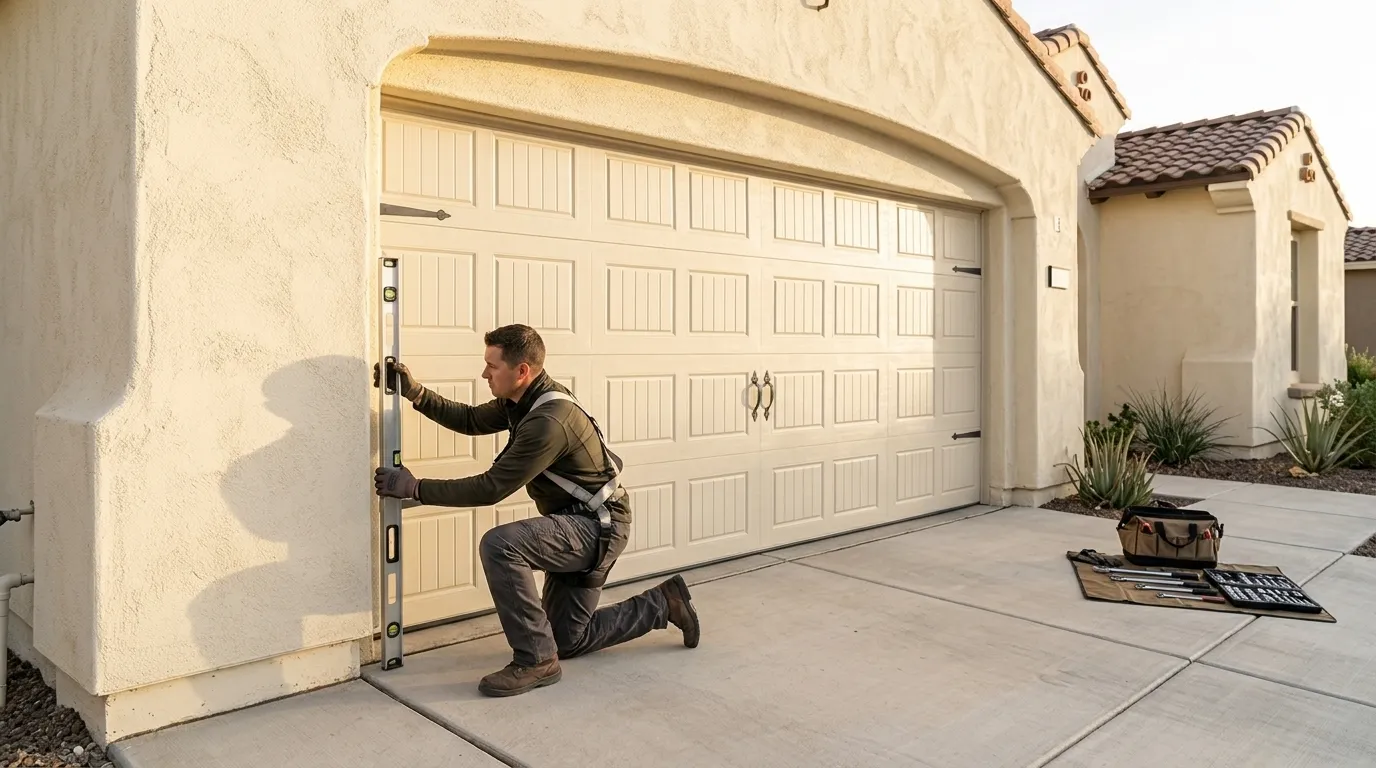
Garage Door Installation
New sectional doors sized and installed for the housing stock actually built in this area.
Learn more →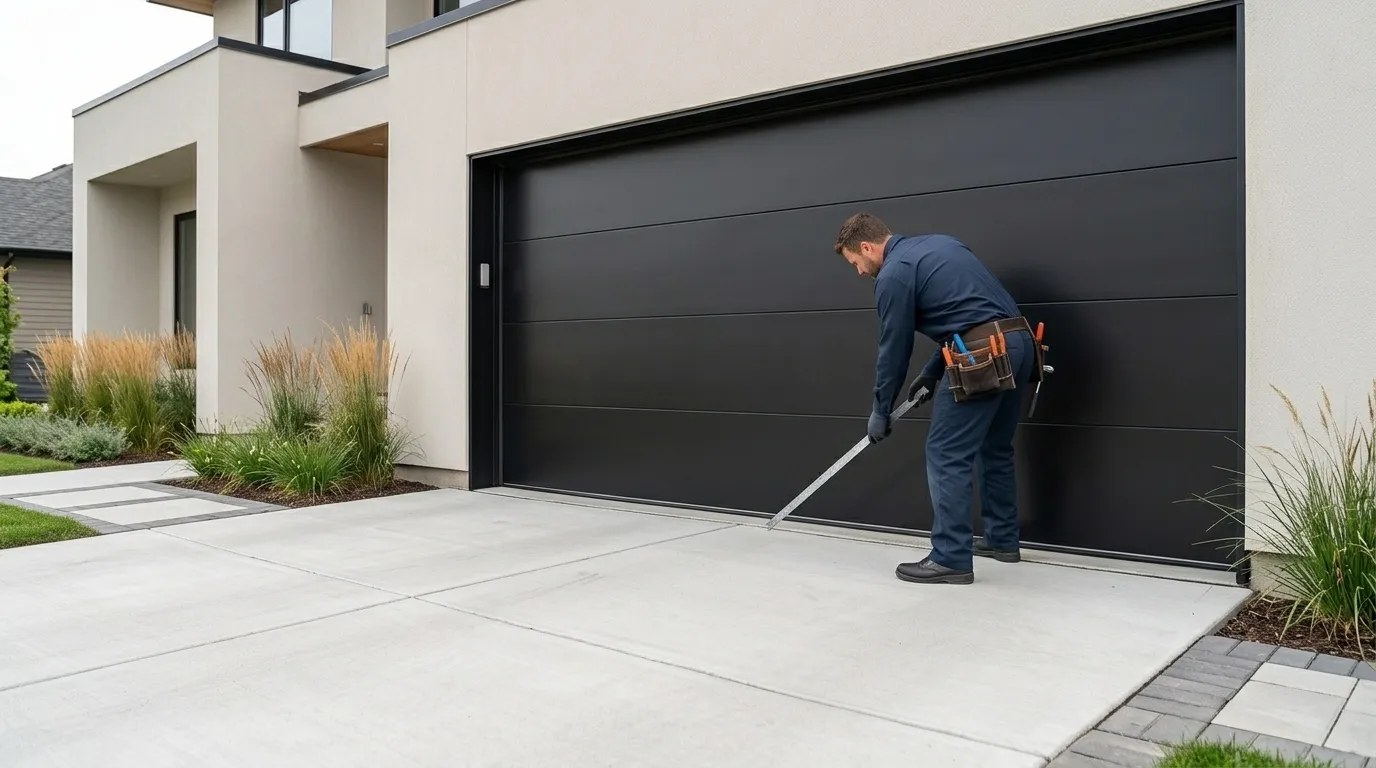
Garage Door Service
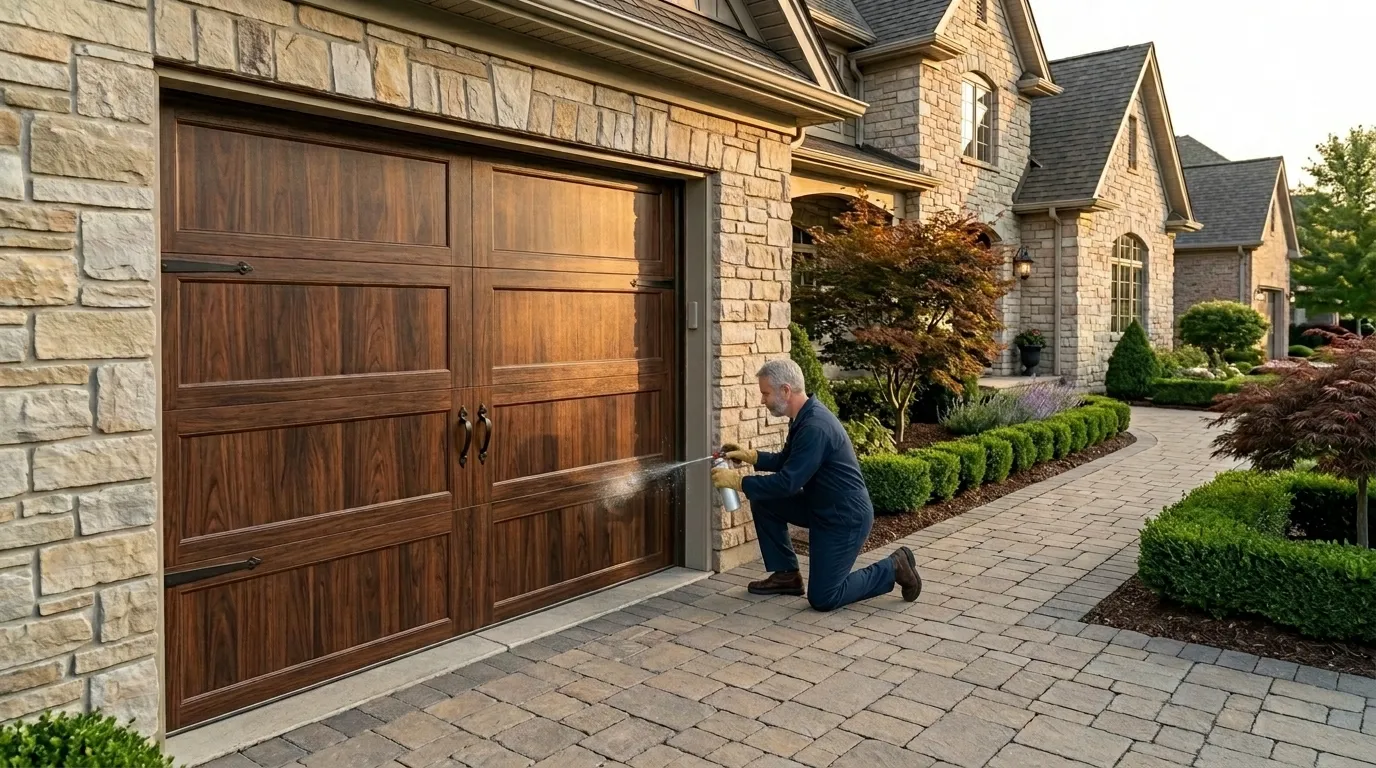
Tune-ups, lubrication, and safety checks that catch a small problem before it becomes a service call.
Learn more →Frequently Asked Questions
How do I know if my garage door is original to the house?
If your house was built in the 1975 to 2004 window that covers most of this area, and no one's mentioned replacing the door, it's likely original or close to it. Look for extension springs mounted above the horizontal track rather than torsion springs beside the header - that's a strong sign of older hardware from that build era.
Does the cold here actually damage garage doors?
This area's cold-moderate climate doesn't crack steel panels, but repeated freeze-thaw cycling stiffens rollers, swells wood jambs out of alignment, and speeds up spring fatigue on older extension-spring setups. It's gradual wear, not sudden failure, which is why a door that seemed fine can need hardware work with little warning.
Is it ever worth replacing just the opener and not the door?
Usually, yes. Steel panels and track from a 1980s or 90s build often still function fine even after the opener motor fails. Replacing only the opener is typically the cheaper and more sensible move unless the door itself is showing separate problems like a bent track or rusted spring hardware.
Have a Door That Needs a Second Opinion?
Call and describe what it is doing - we will tell you what it likely is.