
Olympia Garage Door Guide
When a Spring Goes in Cold Weather: What Olympia Homeowners Should Know
When a torsion spring breaks in the cold on a 1980s-90s Olympia garage door, here's what drives cost, what to expect, and the mistake that makes it worse.
- Licensed & Insured
- Same-Area Service Calls
- Upfront Pricing
What It Costs
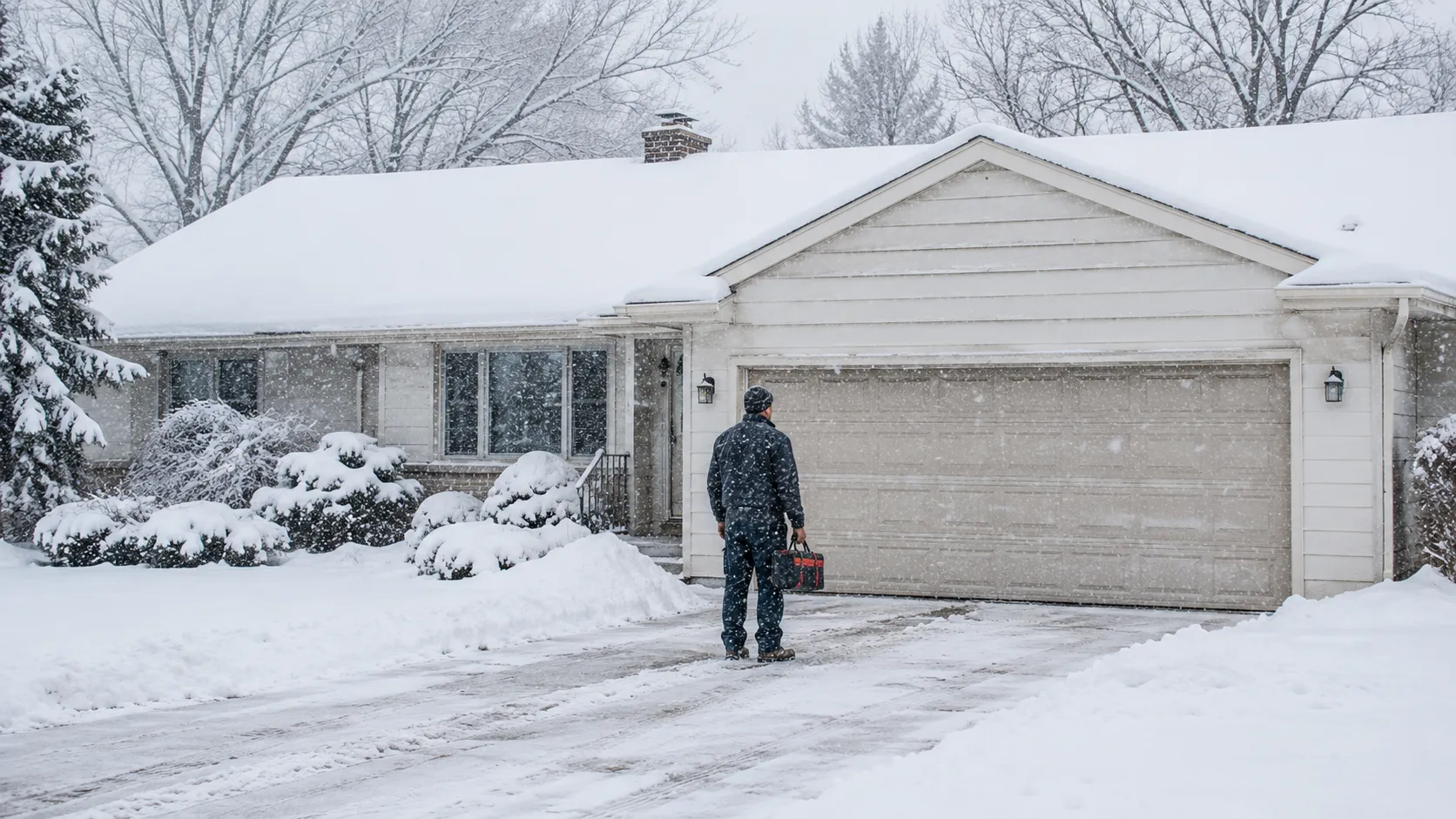
We're not going to hand you a number here, because a spring job depends on things we can't know until we're standing at the door: whether it's a single 30-40 lb residential torsion spring or a matched pair, whether the door is a standard 7-footer or an oversized double, and whether the drums, cable, or bearing plate went with it when the spring let go. What we can tell you is what the range depends on locally. Median household income across this service area runs $88,500, and most of the calls we get on 1980s and 90s doors are replacement jobs, not patch jobs, because the door itself is old enough that fixing just the spring and leaving thirty-year-old rollers and cable in place just moves the next failure a few months down the road.
If your opener is also original to the house, that's a second conversation, not part of a spring quote. The honest answer is that we price it after we see the door, the spring size, and the cycle count wear on the rest of the hardware. Anyone quoting you a flat number over the phone for a door they haven't looked at is guessing, and on a house from this era, guessing gets expensive fast.
What the Weather Here Does to It
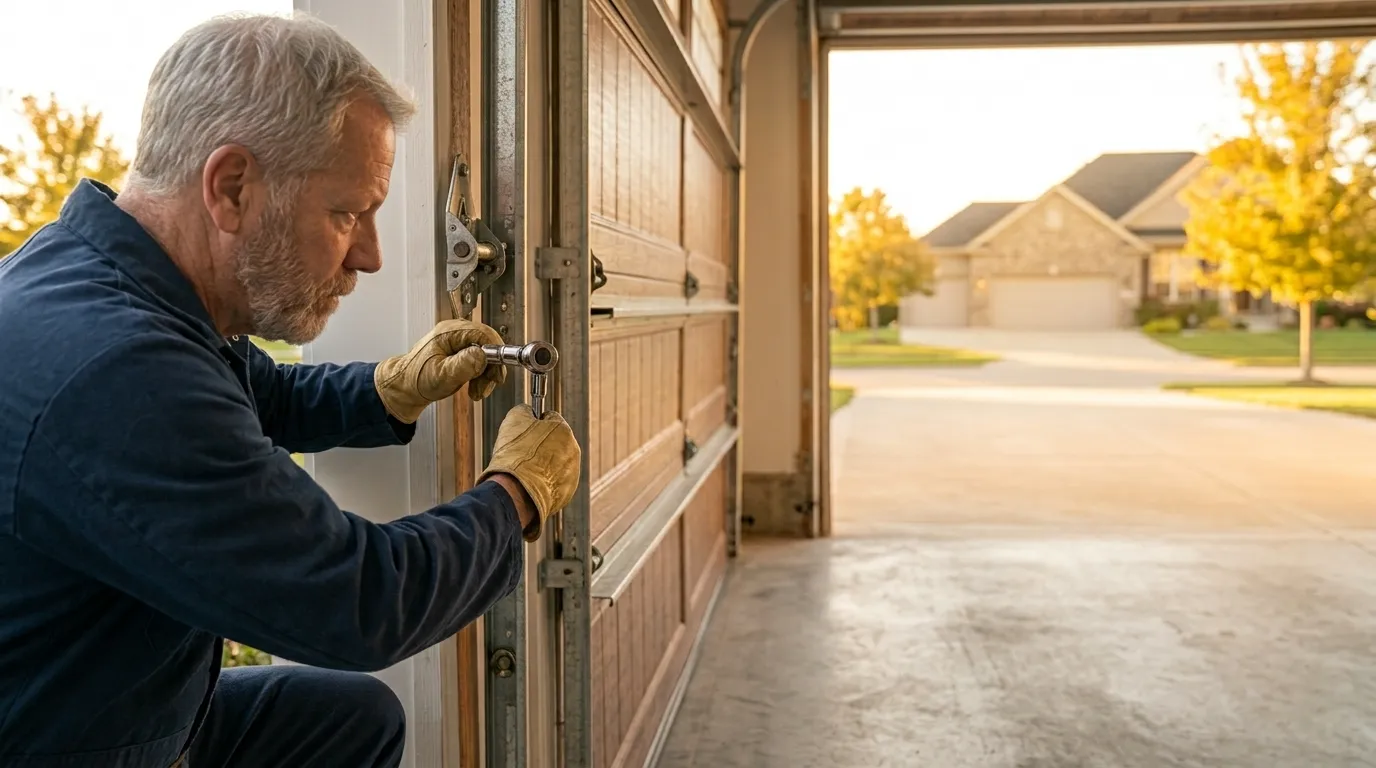
This area sits in a cold-moderate climate band, not the deep-freeze zone you'd get further inland, but enough for the temperature swing to matter. Steel spring wire contracts when it gets cold, and a spring that's already fatigued from twenty or thirty years of daily cycling has less give left to absorb that contraction. That's why the calls cluster on the sharp overnight drops rather than the middle of a mild afternoon: the spring was already close to its limit, and the cold is what finishes the job.
It's not that cold weather breaks good springs. It's that cold weather is when a spring that was going to break anyway actually does it, usually on the first cold morning when someone opens the door to leave for work. If your spring is original to a house built in the 1975-2004 window that makes up most of this area's stock, it has already put in a full service life.
The metal doesn't know the calendar, but it knows the number of cycles, and a cold snap is just the trigger, not the cause.
The Situation
Most of the housing across this service area went up between 1975 and 2004, with the median landing around 1990, and that pattern holds across the 17 named areas we cover, from areas a few miles out to the ones closer to downtown. That means the springs on a lot of these doors are original equipment, now pushing twenty-five to forty-five years old, well past what a torsion spring is rated for. With 17,750 owner-occupied houses out of 36,621 households in the area, a large share of the doors on this list are sitting on hardware from that same build window, not a mix of brand-new installs and pre-war holdouts.
If your house falls in that range and nobody's touched the spring since the door went in, it's not a question of if, it's a question of which cold morning. We don't have a way to tell you the exact age of your specific spring without looking at it, but the build-era math is stacked against anything original at this point.
The Common Mistake
The mistake we see most is someone hearing a bang, finding the door won't budge, and deciding to just replace the one spring that visibly snapped, especially on a double door with two springs. If both springs are original to a house from the 1980s or 90s, the second one is on the same clock as the one that just failed. It might hold for another six months.
It might go the next cold morning while you're backing out for work. Doing both at once costs less in the long run than paying for a service call twice in the same winter. The second mistake, and this one's more dangerous, is trying to release the tension or wind a new spring yourself on a cold day.
Cold makes the metal more brittle, not more forgiving, and a torsion spring under tension is not a weekend project regardless of the weather. We'll say plainly: if your door is original to a 1980s or 90s build and one spring just went, get both looked at before you decide it's a one-part fix.
How We Can Help
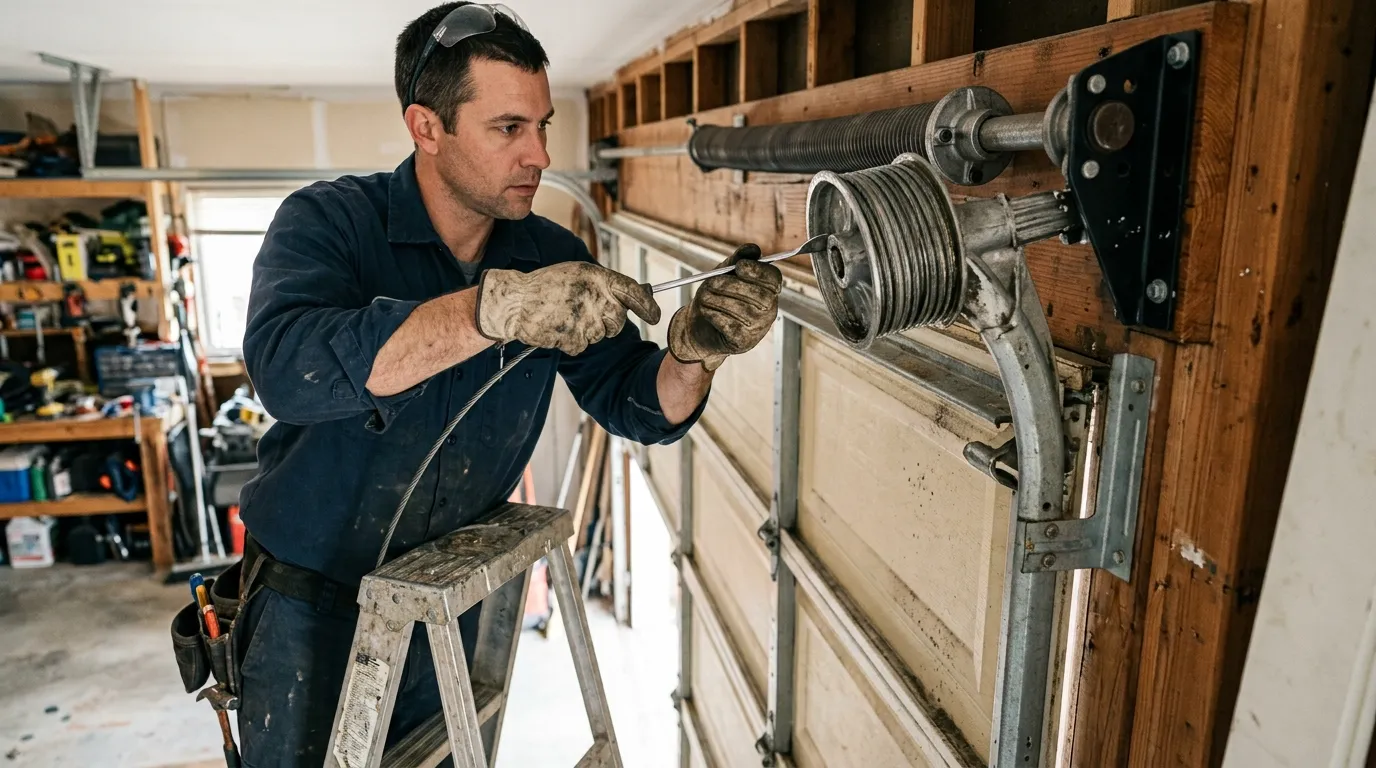
Garage Door Repair
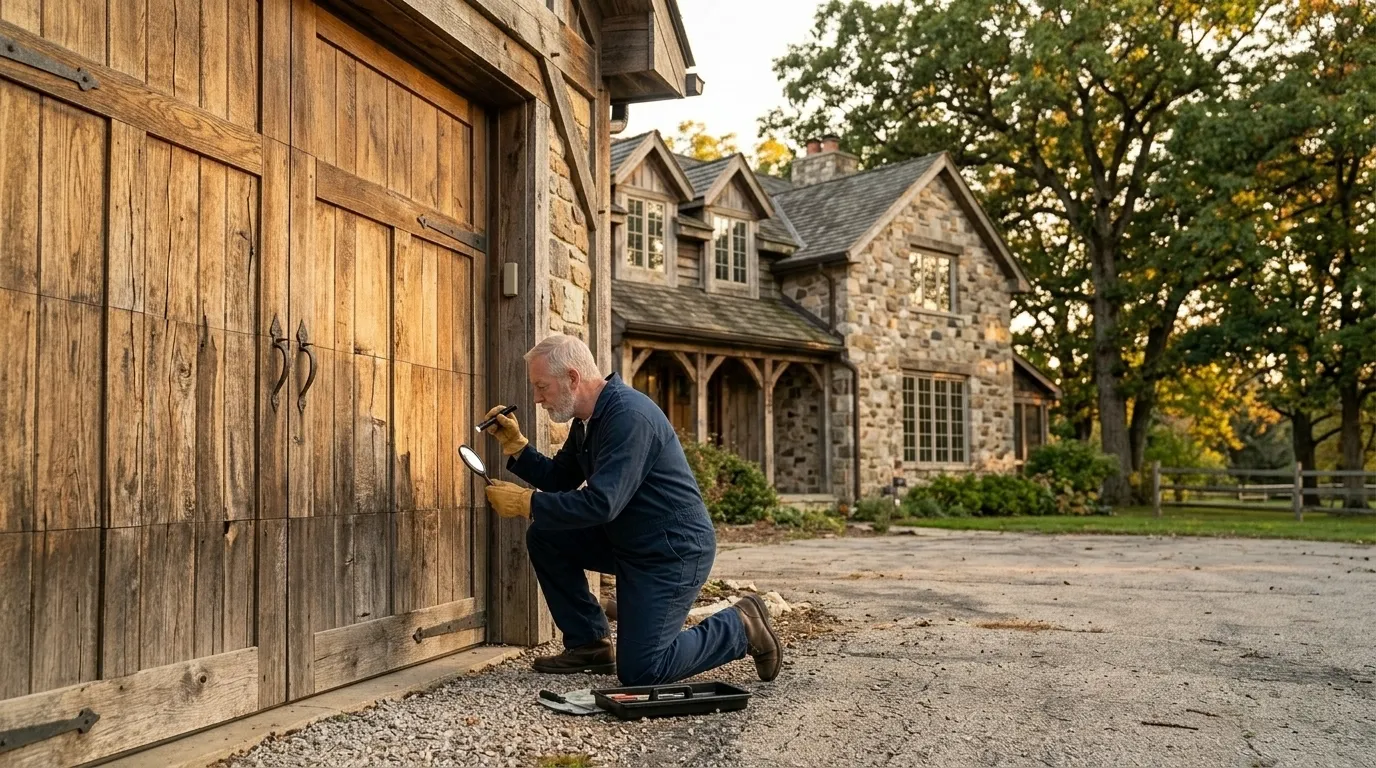
Springs, cables, tracks, rollers, and openers fixed by a tech who explains the problem before touching anything.
Learn more →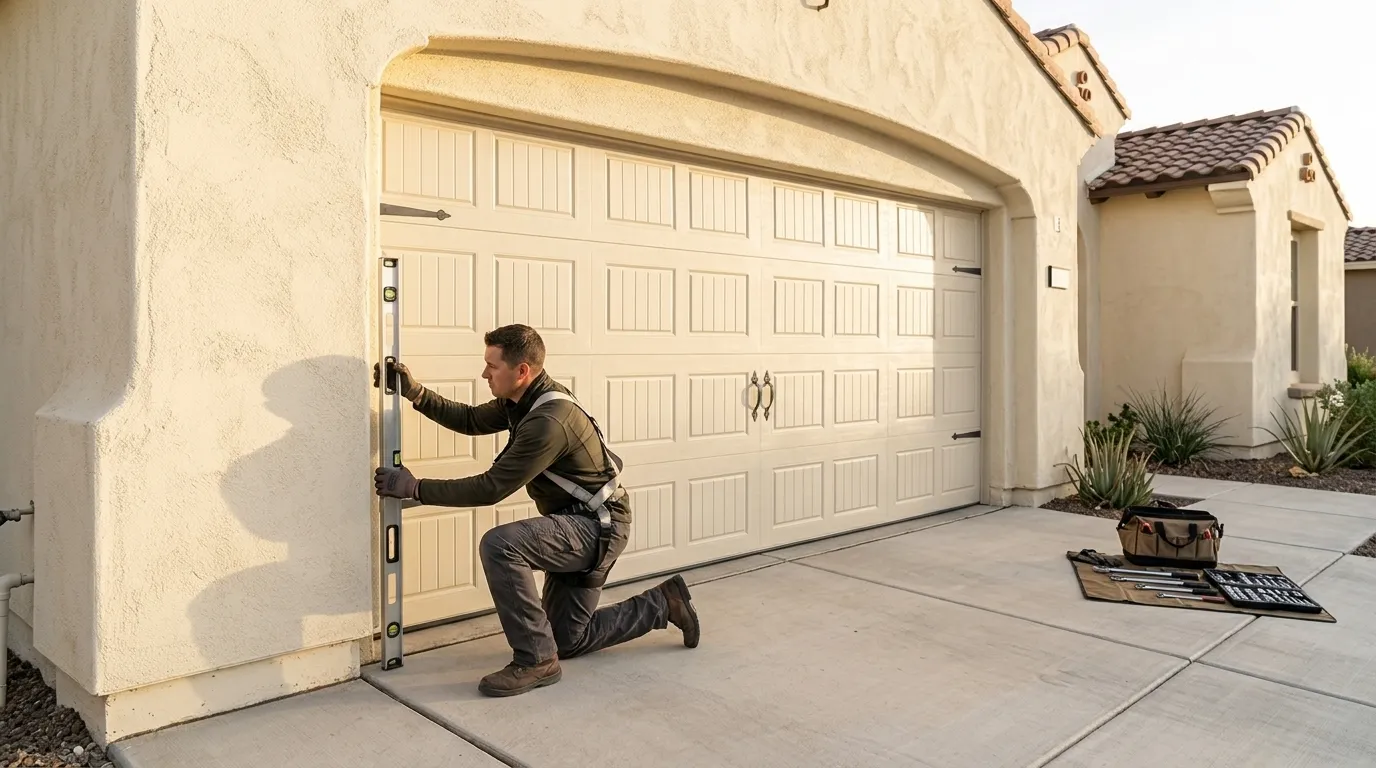
Garage Door Installation
New sectional doors sized and installed for the housing stock actually built in this area.
Learn more →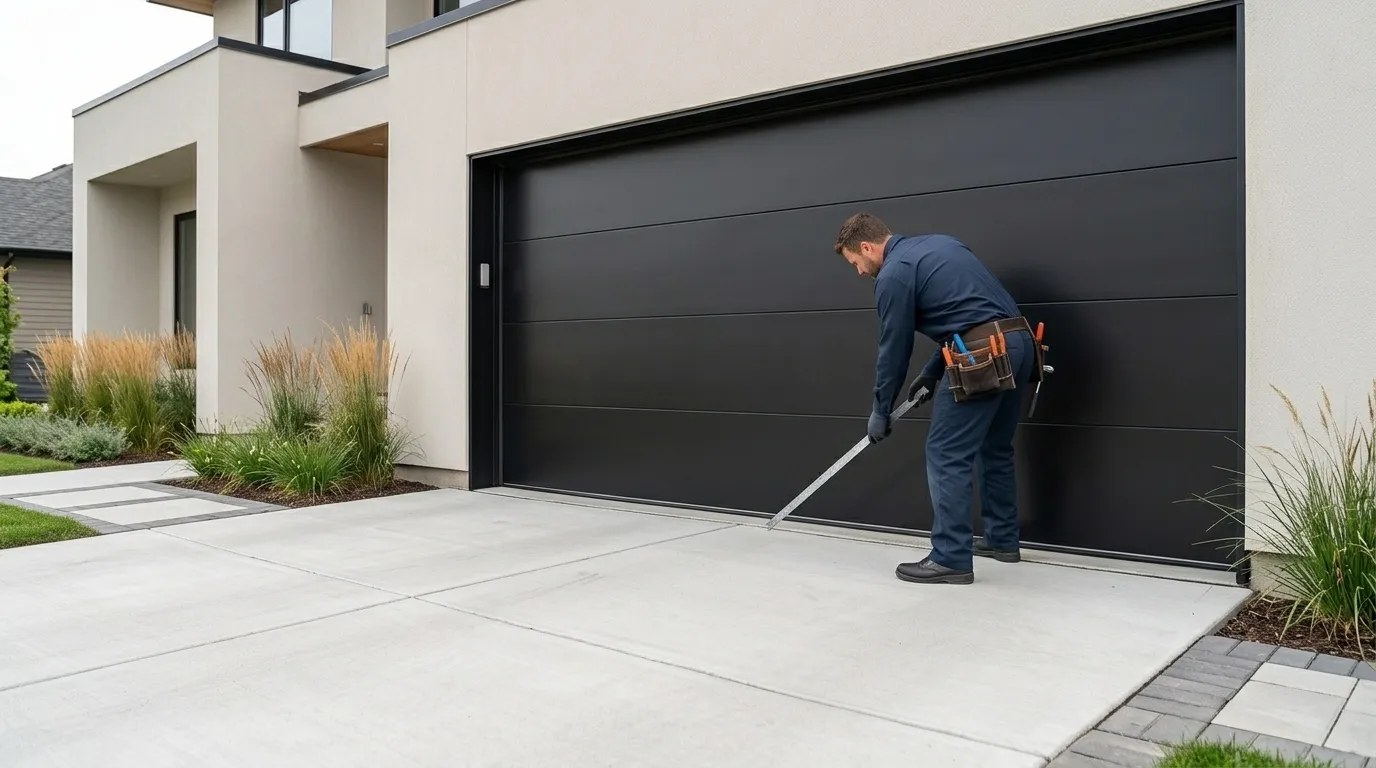
Garage Door Service
Tune-ups, lubrication, and safety checks that catch a small problem before it becomes a service call.
Learn more →Frequently Asked Questions
Why did my spring break on the coldest morning of the week?
Cold doesn't cause a spring to fail on its own, but it removes the last bit of flex a fatigued spring has left. A spring nearing the end of its cycle life is already close to breaking, and a sharp overnight temperature drop is often what finishes it. If your spring is original to a 1980s or 90s door, it's had decades to get to that point.
Should I replace both springs if only one broke?
If your door has two torsion springs and they're original to the same build era, yes, generally. They've done the same number of cycles under the same conditions, so if one failed, the other is close behind. Replacing both at once avoids a second service call within a season.
Can I just tell you a price over the phone?
Not honestly, no. Spring size, whether it's one spring or a pair, and the condition of the drums, cable, and bearings all factor in, and we won't know those until we see the door. We price it after a look, not before.
Is a broken spring always worth fixing, or should I replace the whole door?
Depends on the door's age and what else has failed. On a door original to a 1975-2004 build with worn rollers, a pitted track, and an aging opener alongside the spring, replacing the spring alone can just delay the next repair. Worth a real conversation before you decide.
Have a Door That Needs a Second Opinion?
Call and describe what it is doing - we will tell you what it likely is.