
Olympia Garage Door Guide
What a Service Call in Olympia Actually Covers
Straight talk on what a garage door service call covers in Olympia, WA - costs, cold-weather wear, and the mistakes owners of 1980s-90s homes still make.
- Licensed & Insured
- Same-Area Service Calls
- Upfront Pricing
What It Costs
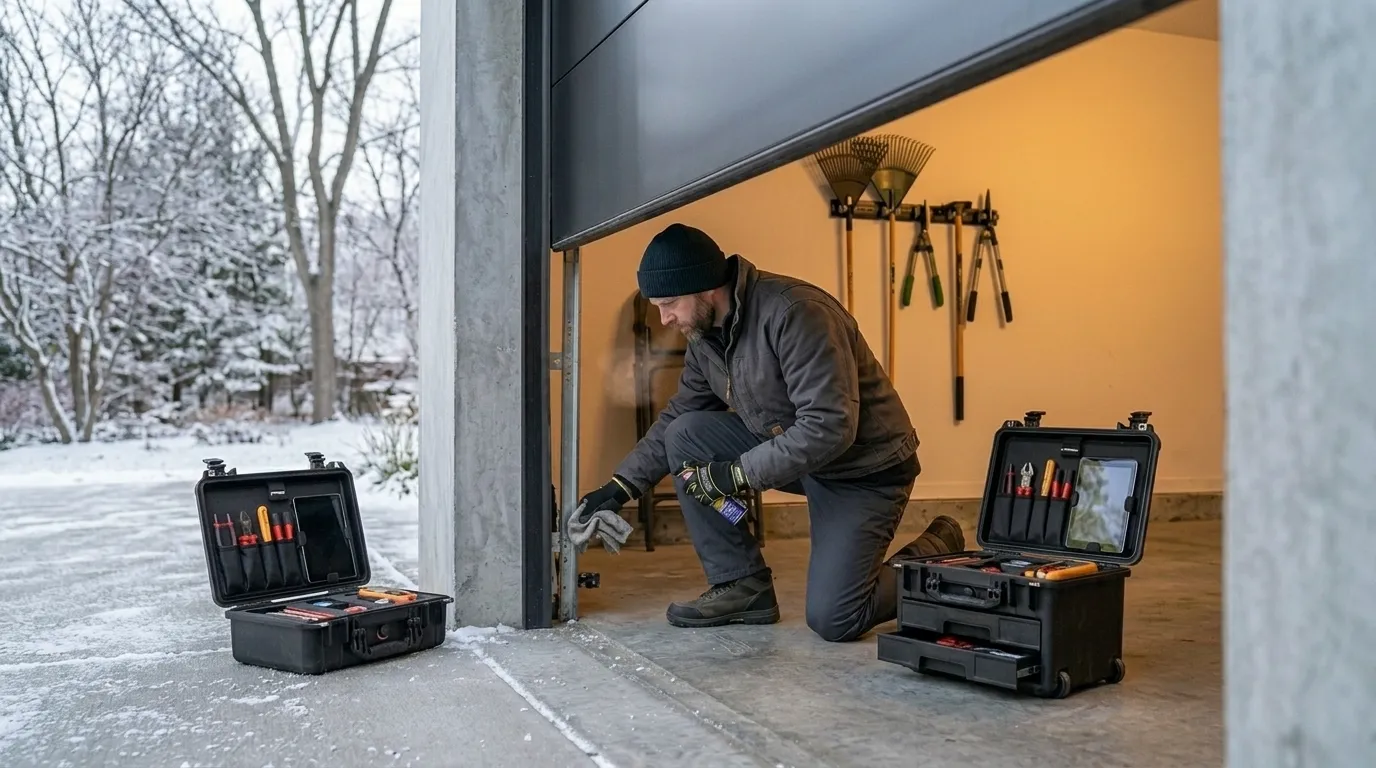
We can't quote you a number without seeing the door, and any page that gives you one without that is guessing. What we can tell you is what drives the number up or down in this area. Most of the houses we work on across the seventeen areas we serve went up between 1975 and 2004, with the median build year sitting around 1990.
That means original hardware - torsion springs, rollers, and openers that were never swapped out - is common, and original parts on a thirty-year-old door usually cost more to source than the newer standard sizes. A service call covers the diagnostic: we open the door, check the spring wind, check the track alignment, check the opener's force settings, and tell you straight whether it's a repair or a replace. At a median household income of $88,500 across the service area, most owners here choose the repair path when the door itself is sound and it's a spring or cable that failed.
The call itself covers labor and diagnosis. Parts get quoted separately once we know what's actually wrong, because guessing a part before opening the door is how you end up paying for the wrong one.
What the Weather Here Does to It
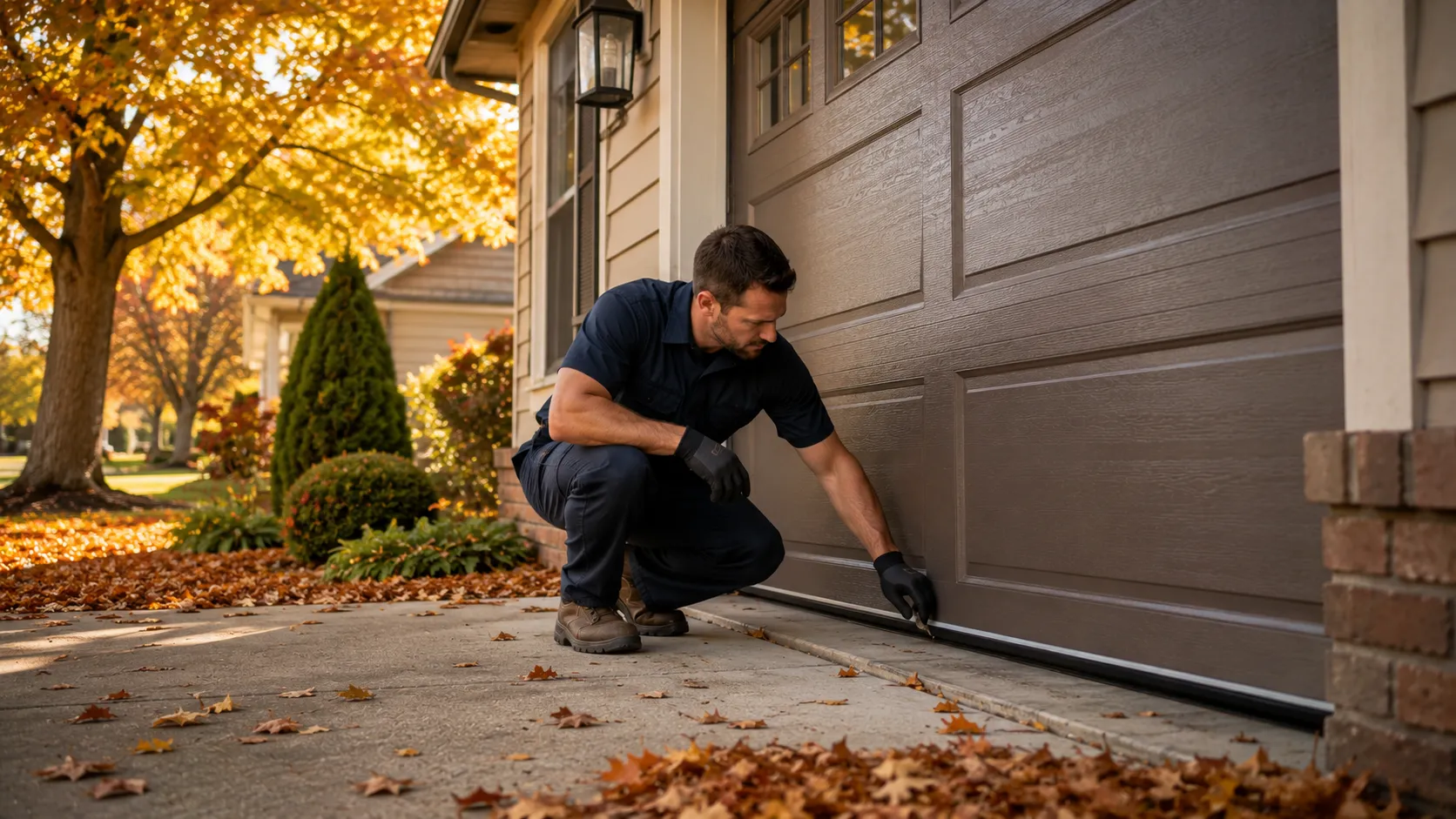
Olympia sits in a cold, moderate climate band - not the deep freezes some parts of the country get, but enough temperature swing across a year to matter for steel and hardware. Steel panel doors installed through the 1980s and 90s, which is most of what's out there given the median 1990 build year, tend to show rust first at the bottom weld seams and around the bottom roller brackets, where moisture sits longest after a wet week. Torsion springs lose tension faster with repeated damp-cold cycling than they would in a dry climate, so a spring that's rated for a certain number of cycles often falls short of that number here.
Openers with exposed circuit boards in unheated garages can also act up on the colder mornings - not fail outright, usually, just hesitate or reverse before catching. None of this is dramatic weather. It's just steady, and steady is what wears hardware down.
A service call in this climate usually includes a look at the bottom seal and the lowest few inches of track, because that's where moisture does its work first, whether the rest of the door looks fine or not.
The Situation
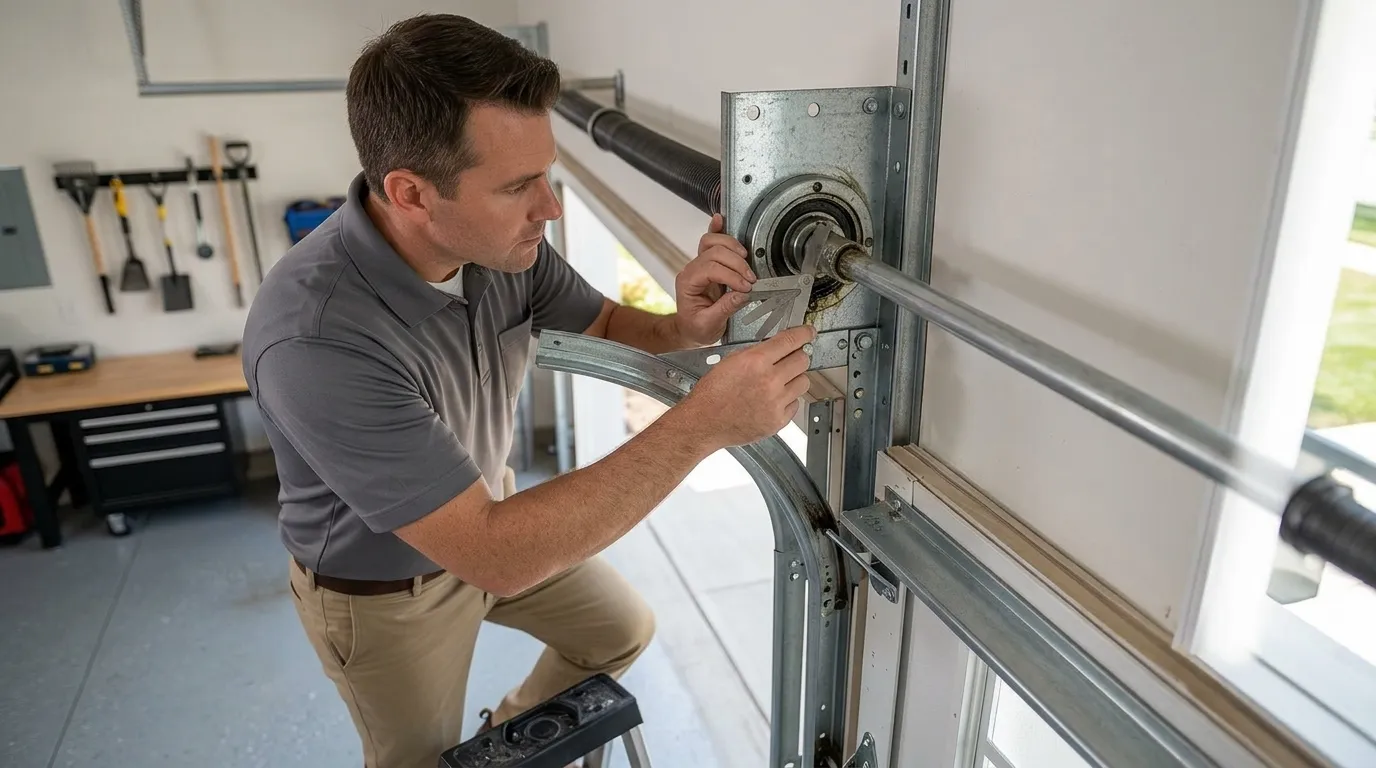
Across the service area - Downtown at zero miles northwest of us, North East two miles out, Tumwater four miles, Tanglewilde five, out through Tenino, Yelm, and Rainier at thirteen and fourteen miles, and further out to Shelton, Grand Mound, McCleary, and Fox Island - the housing stock is fairly consistent: built mostly in the 1980s and 90s, median year 1990. With 17,750 owner-occupied houses among 36,621 households in the area, that's a lot of garages holding doors that are now thirty-plus years old. A door built in that window was engineered to a different standard than what's sold today - narrower tracks in some cases, older-style extension springs on a share of them instead of torsion, and openers that predate the safety-reversal sensors required on newer units.
None of that means the door is unsafe by default. It means a service call on a house from this era often turns up more than the single symptom that triggered the call, because one worn part in a thirty-year-old system tends to have company.
The Common Mistake
The mistake we see most in this stock of 1980s-90s houses is treating a stuck or noisy door as an opener problem when it's a spring problem, or the reverse. An opener straining to lift a door usually means the spring has lost tension and the motor is doing work it wasn't built for - replacing the opener alone fixes nothing and can burn out the new one just as fast. The other common one: owners with an older extension-spring setup assume it needs the same fix as a neighbor's newer torsion-spring door, because from the driveway they look the same.
They're not serviced the same way, and parts aren't interchangeable. We won't pretend every call is simple - sometimes a door built in the 1975-2004 window has enough mismatched or discontinued parts that a straight repair isn't worth the cost, and replacement is the honest answer. That's the limitation worth saying plainly: we don't stretch a thirty-year-old door past the point where it makes sense, and a call that starts as 'fix the spring' sometimes ends with us telling you to plan for a new door instead.
How We Can Help
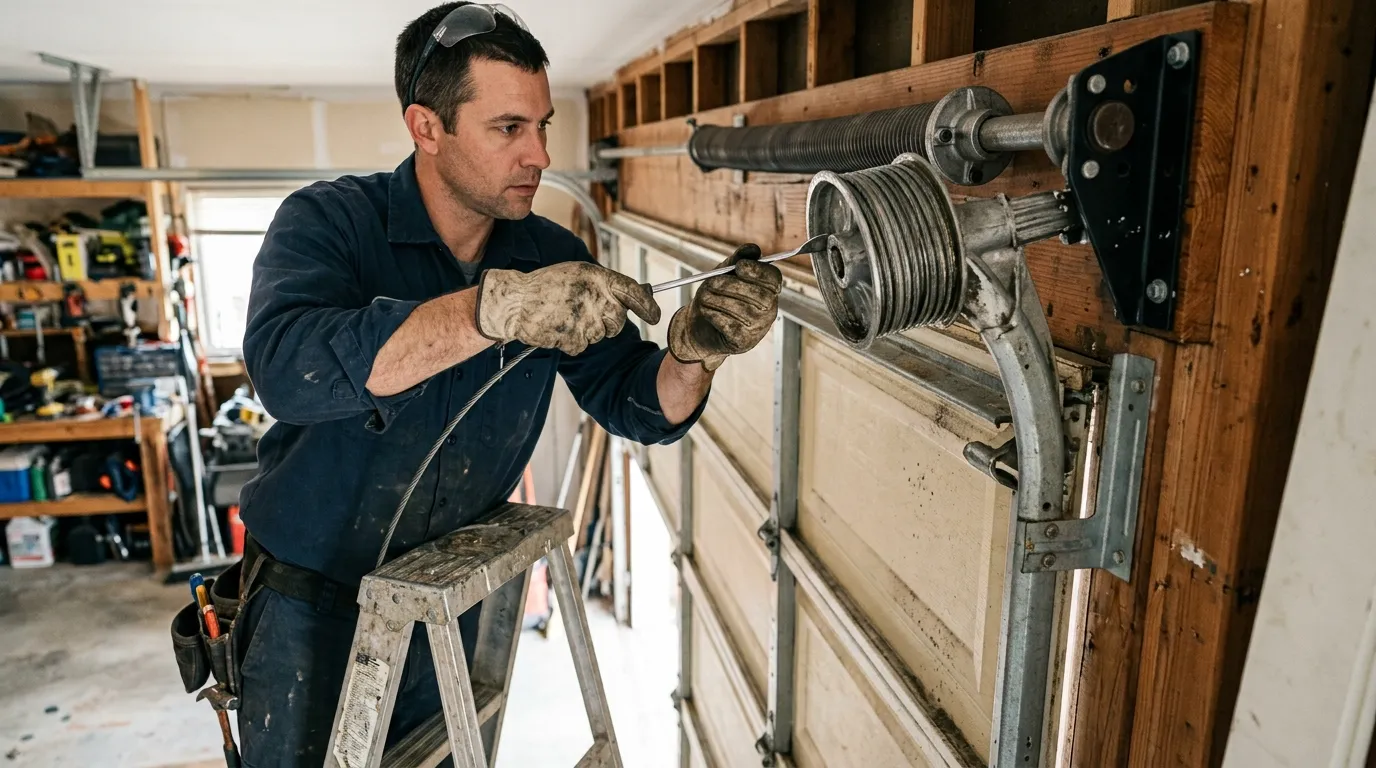
Garage Door Repair
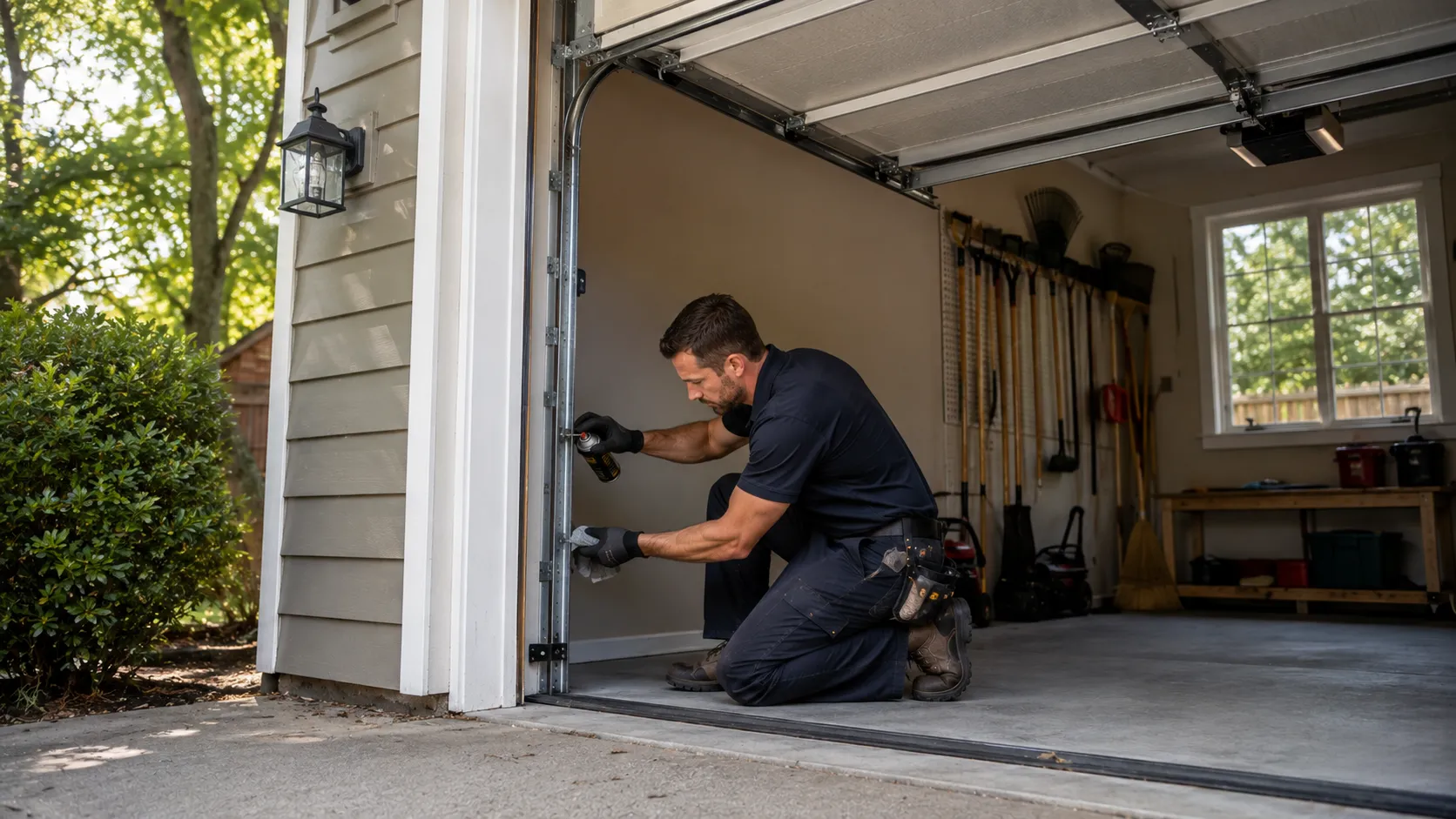
Springs, cables, tracks, rollers, and openers fixed by a tech who explains the problem before touching anything.
Learn more →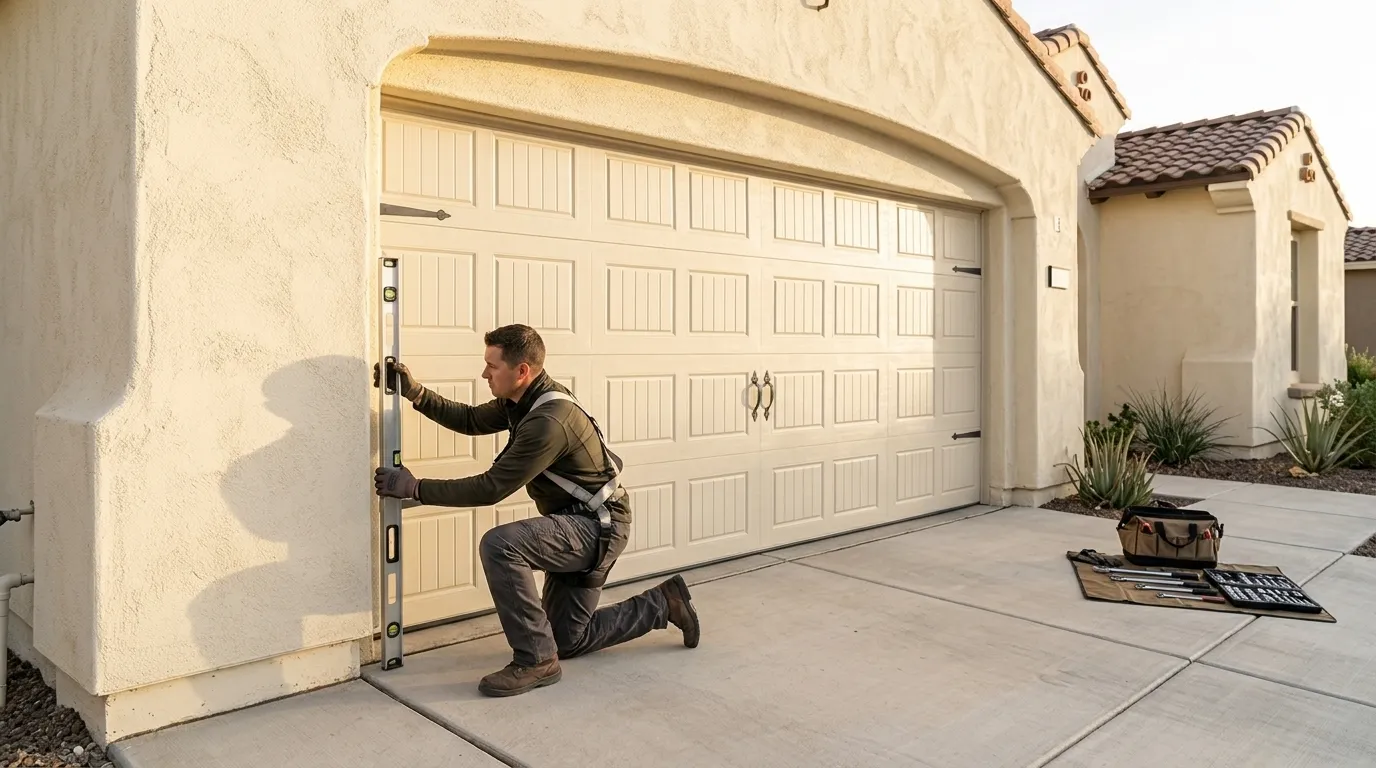
Garage Door Installation
New sectional doors sized and installed for the housing stock actually built in this area.
Learn more →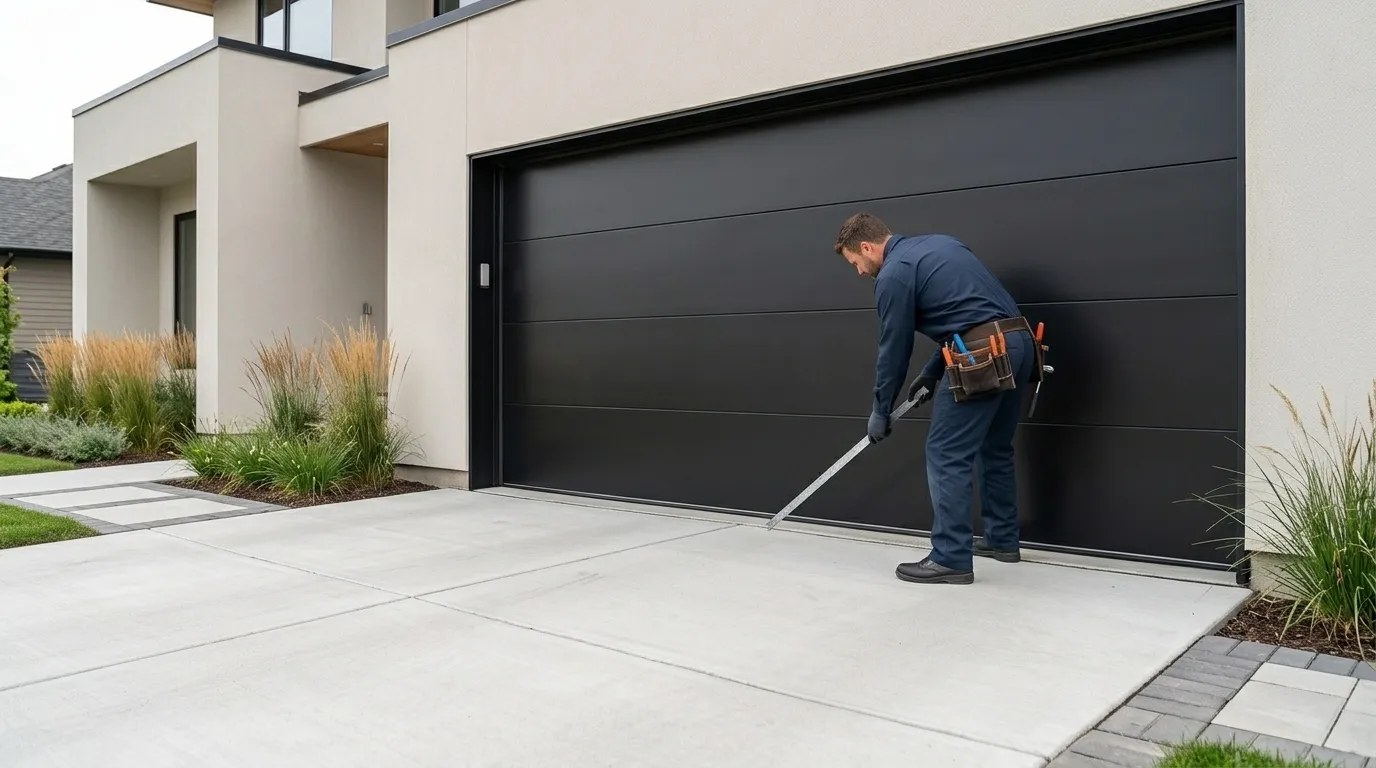
Garage Door Service
Tune-ups, lubrication, and safety checks that catch a small problem before it becomes a service call.
Learn more →Frequently Asked Questions
Why does my garage door make more noise in winter?
In Olympia's cold, moderate climate, moisture sits in the track and around the bottom rollers longer through the wet, cooler months. That's the most common cause of grinding or squealing that shows up seasonally rather than year-round. It's usually a lubrication and track-alignment fix, not a sign the door is failing outright.
Is my door too old to repair?
Depends on the part. Most houses in this area were built between 1975 and 2004, median year 1990, so a lot of the doors we see are pushing thirty years old. Springs, rollers, and cables are almost always repairable regardless of age. Whether the panel or opener is worth repairing comes down to parts availability, which we check on the call.
What does a basic service call actually include?
A diagnostic check of the spring tension, track alignment, cable condition, and opener force settings, plus a look at the bottom seal and lowest section of track where moisture damage shows up first in this climate. Parts and labor for the actual fix are quoted once we know what's wrong.
Have a Door That Needs a Second Opinion?
Call and describe what it is doing - we will tell you what it likely is.